News Broadcasting
Trump ordered to testify in BBC defamation lawsuit by 11 December
Florida judge warns of sanctions, potentially including dismissal, if Trump misses deposition deadline in dispute over edited Capitol riot speech


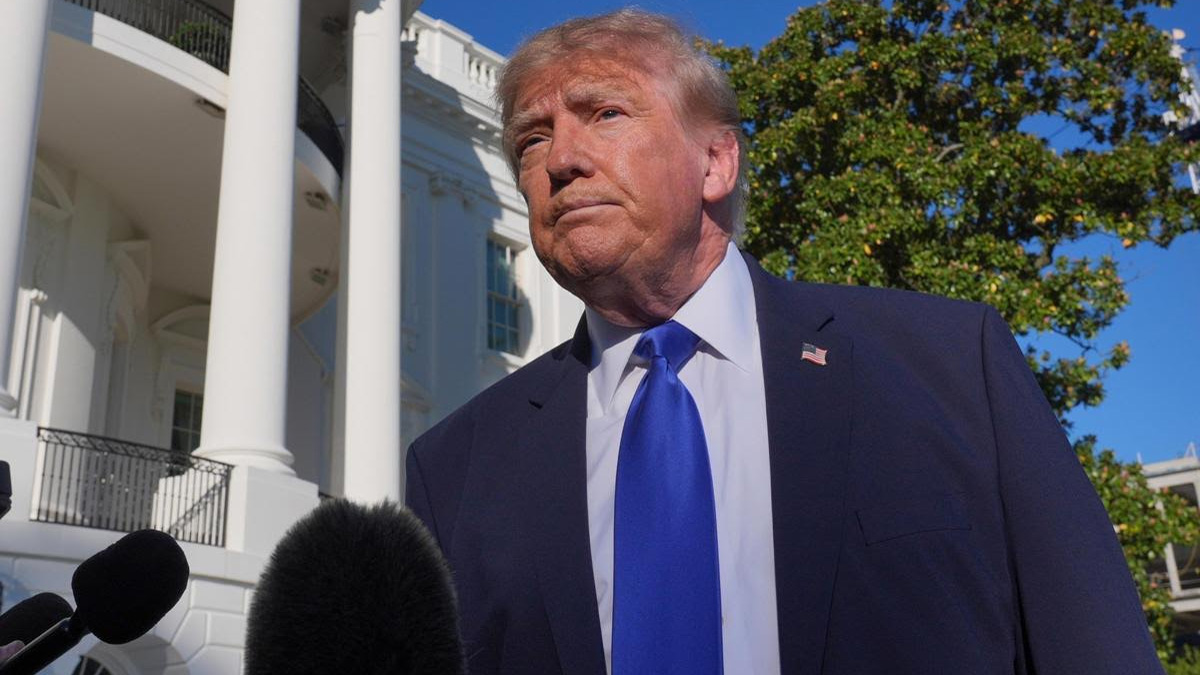
MUMBAI: Donald Trump’s battle with the BBC has reached a deadline, and this time the President cannot simply change the channel. A US magistrate judge has ordered Trump to sit for a deposition under oath by 11 December in his defamation lawsuit against the British broadcaster, warning that failure to comply could invite sanctions, with the most severe outcome potentially being the dismissal of his case.
The order, issued by US Magistrate Judge Enoliqué Lett, comes after Trump cancelled an earlier deposition scheduled for 16 October, citing “matters of national importance”. A lawyer representing the BBC told the court that Trump had instead been campaigning in Georgia and had “prioritized that” over answering questions in the legal dispute.
The latest deadline is not necessarily the final word. The judge’s warning applies unless the discovery period, the stage in which both sides exchange records, documents and other material that could be used as evidence is extended. However, with the clock ticking, Trump faces a choice between answering questions under oath and risking consequences for his lawsuit.
Trump filed the 33-page complaint in the US District Court for the Southern District of Florida last December, accusing the BBC of producing a “false, defamatory, deceptive, disparaging, inflammatory, and malicious depiction of President Trump”. The lawsuit centres on a BBC Panorama documentary, Trump: A Second Chance?, which Trump alleges was edited to make it appear that he had urged supporters to attack the US Capitol during his speech on 6 January 2021.
At the heart of the dispute is a few carefully spliced seconds that have become a much larger legal headache. In his original speech, Trump said: “We’re going to walk down to the Capitol, and we’re going to cheer on our brave senators and congressmen and women.”
However, in the Panorama edit, he was shown saying: “We’re going to walk down to the Capitol … and I’ll be there with you. And we fight. We fight like hell.”
The crucial detail is the gap between the words. The two portions used in the documentary were, in reality, spoken more than 50 minutes apart. Trump argues that bringing them together distorted the context of his remarks and created a misleading impression that he had directly encouraged the crowd to storm the Capitol.
The controversy gained momentum after a leaked memo written by Michael Prescott, an independent adviser to the BBC, concluded that the documentary “seemed to be taking a distinctly anti-Trump stance”. The memo intensified scrutiny of the broadcaster’s editorial judgement and helped bring the editing controversy into the spotlight.
When news of the lawsuit first emerged, a BBC spokesperson told The Hollywood Reporter that the broadcaster “sincerely regrets the manner in which the video clip was edited”, while firmly rejecting the basis of Trump’s legal claim.
“While the BBC sincerely regrets the manner in which the video clip was edited, we strongly disagree [that] there is a basis for a defamation claim,” the spokesperson said.
That response captures the central tension in the case: the BBC has acknowledged concerns over how the footage was assembled but disputes that the edit amounts to defamation. Trump, meanwhile, is seeking to hold the broadcaster legally accountable for what he says was a damaging misrepresentation of his speech.
The deposition could prove important because it would require Trump to answer questions under oath as the case progresses. The discovery process allows both sides to gather information and evidence before the dispute moves further through the courts. Missing the deadline could therefore complicate Trump’s attempt to pursue the claim, although the precise sanctions would depend on the court’s decision.
For now, the case is caught between an editorial controversy and a legal showdown over context, intent and the consequences of editing political speech. The BBC’s handling of the footage remains under scrutiny, but the broadcaster has not conceded that its editing gives Trump grounds for a defamation claim.
With 11 December set as the deadline, Trump’s next move will matter beyond the courtroom. The dispute raises questions about how news organisations edit political speeches, where editorial judgement ends and alleged misrepresentation begins, and how far a public figure must go to substantiate a defamation claim.
In this battle over a speech stitched together across a 50-minute gap, the immediate question is no longer just what viewers saw on screen. It is whether Trump will take the stand to explain why he believes the edit crossed the line — or risk seeing his lawsuit unravel before the case reaches its full hearing.