Sports
FIFA to introduce first-ever halftime show at 2026 World Cup final
Madonna, Shakira and BTS to headline entertainment spectacle in New Jersey

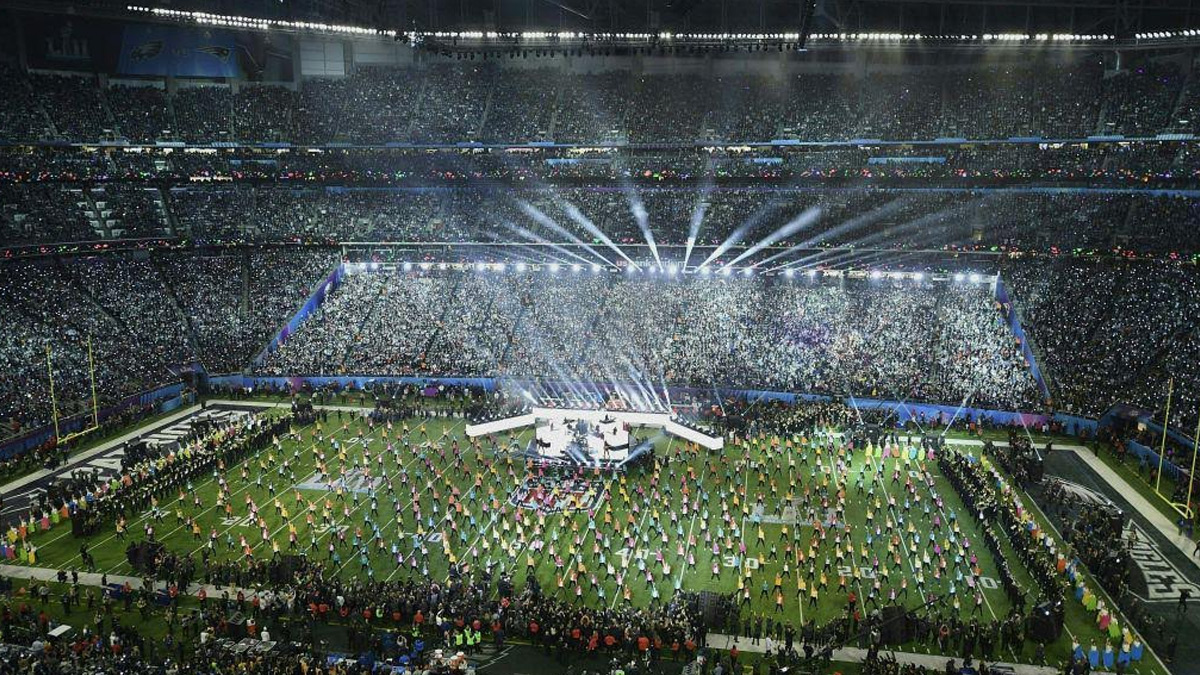
MUMBAI: Football’s biggest stage is getting a new opening act and this time, the second half may have to compete with the interval. For nearly a century, the FIFA World Cup final has followed a sacred script: kick-off, 45 minutes of football, a brief halftime break, and then the drama resumes. In 2026, that tradition will be rewritten. FIFA President Gianni Infantino has confirmed that the 2026 FIFA World Cup final, scheduled for July 19 at New York New Jersey Stadium, will feature the tournament’s first-ever halftime show, bringing a distinctly American flavour to the world’s most-watched sporting event.
The move signals a significant shift in how FIFA views the commercial and entertainment potential of its flagship tournament. While halftime in football has traditionally been reserved for tactical analysis, player recovery and studio discussion, FIFA is now turning that 15-minute pause into a global entertainment property.
The blueprint is unmistakably American.
The Super Bowl halftime show has evolved into a cultural phenomenon in its own right, often generating as much conversation as the game itself. Performances by artists such as Kendrick Lamar, Rihanna, Usher and The Weeknd have transformed the interval into premium entertainment real estate, attracting massive audiences and commanding premium advertising rates.
FIFA appears eager to tap into that formula.
By introducing a halftime spectacle, the governing body is creating a new sponsorship and advertising asset at a moment when billions of viewers remain glued to their screens. What was once simply a break in play is now a marketable event, offering brands another high-value opportunity to connect with a captive global audience.
The inaugural show will feature an ambitious line-up.
Madonna, Shakira and BTS are set to co-headline the performance, while Chris Martin of Coldplay will curate the event. The show will also feature appearances by characters from Sesame Street and The Muppets, tying into FIFA’s broader social-impact agenda.
The entertainment programme is linked to the FIFA Global Citizen Education Fund, an initiative that aims to raise $100 million to improve access to education and football opportunities for children worldwide. FIFA has pledged that $1 from every tournament ticket sold will be directed towards the fund.
The artist selection carries symbolic weight as well.
Shakira is no stranger to World Cup history, having delivered the tournament anthem Waka Waka (This Time for Africa) during the 2010 FIFA World Cup in South Africa. BTS, meanwhile, will become the first K-pop act to headline a World Cup halftime show, building on member Jungkook’s performance at the 2022 World Cup opening ceremony in Qatar.
Yet not everyone is embracing the entertainment-first approach.
The BBC is reportedly planning not to air the halftime performance on its television broadcast. Instead, the broadcaster intends to continue with its traditional studio coverage, focusing on tactical analysis, key incidents and first-half reaction.
For many football audiences, particularly in Europe, halftime remains a valued period for dissecting refereeing decisions, analysing tactical adjustments and assessing momentum shifts rather than switching entirely to entertainment programming.
The broadcaster has taken a similar stance before. During the 2022 FIFA World Cup, the BBC chose not to show the opening ceremony on its main television channel, instead making it available through digital platforms and streaming services.
That divergence highlights the broader question at the heart of FIFA’s experiment.
In North America, sports and entertainment have long existed as a single ecosystem. In many football markets, however, the match itself remains the undisputed attraction. FIFA is betting that social media clips, digital engagement and global pop culture appeal can bridge that gap and create a spectacle that resonates beyond the football community.
Whether fans tune in for the tactics or the tunes remains to be seen. What is certain is that when the World Cup final pauses on July 19, 2026, the spotlight will no longer belong solely to football.