Regulators
DNPA challenges data protection law in Supreme Court over press freedom
The 21 publisher association seeks safeguards for journalism, warning consent and data erasure rules could hamper investigations and expose sources


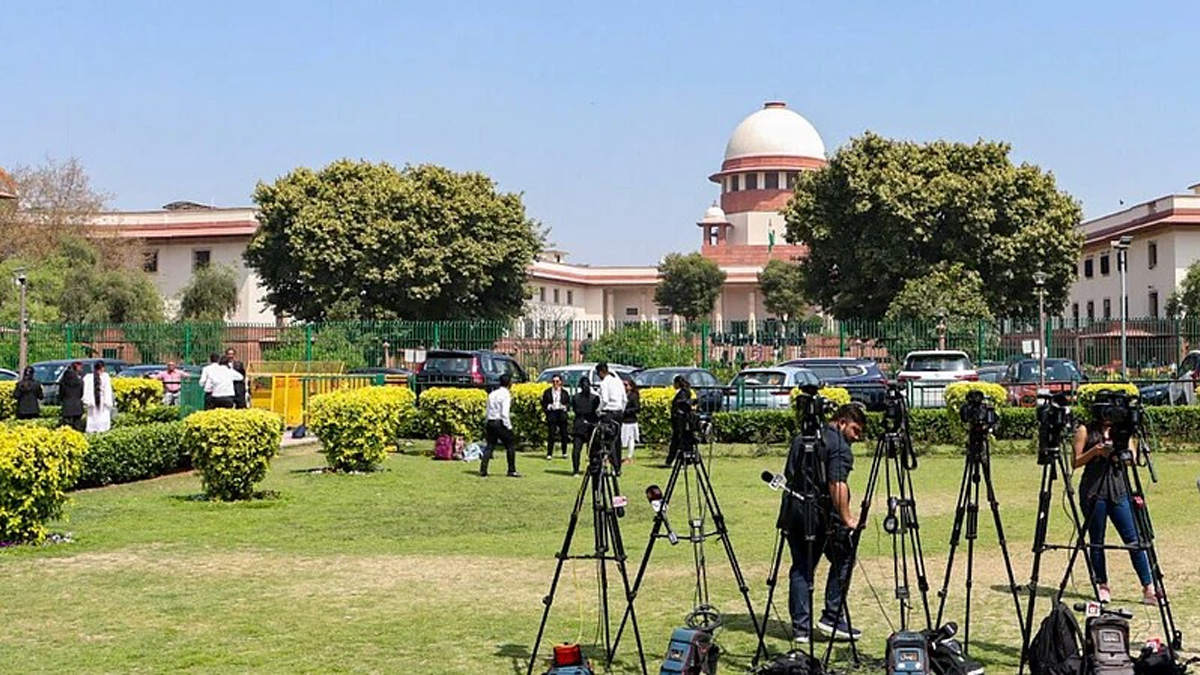
MUMBAI: In the battle between protecting personal data and protecting the public’s right to know, India’s digital news publishers are asking where journalism fits into the picture. The Digital News Publishers Association (DNPA), which represents 21 news publishers, has challenged key provisions of the country’s data protection law in the Supreme Court, warning that the absence of explicit safeguards for journalism could put investigative reporting and press freedom at risk.
Filed on 6 October, the 698-page petition seeks to strike down provisions of the Digital Personal Data Protection (DPDP) law that are scheduled to take effect from May 2027. The case is expected to be heard on Tuesday, according to Reuters, which first reported the challenge.
The law was introduced to protect individuals’ digital personal information. The DNPA’s objection is not to data protection itself, but to what it says is a gap in the framework: news organisations have not been given an explicit exemption for journalistic activity, despite government assurances that press freedom would be protected.
The association argues that journalism operates differently from many other forms of data processing. Reporters routinely collect, verify and publish information about individuals, companies and public institutions, sometimes without their knowledge or consent. Applying the law’s requirements to such work without suitable safeguards, it contends, could make it harder to uncover wrongdoing in the public interest.
In its petition, the DNPA warns that investigative journalism could be reduced to little more than recording events, rather than allowing reporters to scrutinise the people and institutions behind them. The concern is that rules intended to protect individuals’ privacy could also restrict the process through which journalists establish facts and hold power to account.
One of the association’s central concerns is the requirement to obtain consent before processing personal data. Applied to investigative reporting, the DNPA argues, the obligation could create an awkward and potentially damaging situation: journalists might have to notify the very people they are investigating and seek their permission to process information about them.
That could give subjects of investigations an opportunity to destroy evidence, influence witnesses or otherwise interfere with reporting before a story is ready to be published.
The issue is particularly significant for investigations involving alleged corruption, corporate misconduct or electoral malpractice, where information may emerge from documents, confidential sources and records that those under scrutiny would prefer to keep hidden.
The petition argues that journalism cannot always operate on the basis of prior consent. A reporter investigating possible wrongdoing cannot reasonably be expected to ask a subject for permission before examining information that may establish whether the allegations are true.
Without a clear public-interest safeguard, the association warns, the law could constrain reporting before its wider value has been assessed. It argues that this could amount to pre-censorship by limiting the collection and use of information at the very stage when journalists are trying to determine whether a matter warrants public attention.
The DNPA has also challenged provisions allowing individuals to withdraw consent and request the erasure of their personal data.
The association argues that, without a specific journalistic exemption, such requests could put publishers in a difficult position. News organisations could face pressure to remove factual reports or substantially redact stories containing personal information, even where the material is relevant to public interest.
The potential conflict goes beyond whether an individual wants information about themselves removed from a digital platform. Published news reports can form part of the public record, documenting decisions, allegations, investigations and events that have wider significance.
If publishers were required to erase or alter such material without a clear mechanism to weigh privacy rights against the public interest, the DNPA argues, the law could undermine the integrity and accessibility of news archives.
The association’s concern is that a framework designed to give individuals greater control over their personal information could, in some circumstances, give them a route to challenge the continued availability of legitimate reporting. The petition argues that explicit safeguards are needed to distinguish ordinary data processing from journalism carried out in the public interest.
Another area of concern is the government’s power to demand information from organisations handling personal data. The DNPA argues that these provisions could compel newsrooms to disclose material capable of identifying confidential sources.
That could put whistleblowers at risk, particularly those providing information about corruption, corporate wrongdoing or electoral malpractice. Confidentiality can be central to investigative journalism: people with evidence of misconduct may be unwilling to come forward if they believe their identities could ultimately be revealed through information demands.
The association has also questioned the government’s power to block access to information in the interest of the general public. It argues that the provision lacks adequate safeguards against restrictions that could affect press freedom.
The concern is not limited to whether a particular report remains online. The prospect of source identification or restrictions on access to information could also affect the willingness of sources to approach journalists in the first place, potentially limiting the material available for future investigations.
In an August letter to the government, attached to the court filing, the DNPA argued that the law provided broad exemptions to the state without extending equivalent written protections to the press, according to Reuters.
The association is seeking a clearer distinction between the government’s legitimate role in protecting personal data and the safeguards required for journalism to scrutinise public institutions and powerful private interests.
The petition also refers to journalism-related safeguards in the European Union, Singapore and the United Kingdom. The DNPA argues that India’s framework needs an explicit exemption for journalistic activity, rather than leaving news organisations exposed to obligations that may conflict with reporting in the public interest.
Its challenge places the relationship between privacy and press freedom at the centre of the dispute. Data protection laws are intended to give people greater control over how their personal information is collected and used. Journalism, meanwhile, can require the collection and publication of information without the subject’s prior approval, particularly when investigating matters of public importance.
The question raised by the petition is how these interests should be balanced, and whether the law provides sufficient clarity for publishers to carry out their work without risking restrictions on legitimate reporting.
The DNPA has asked the Supreme Court to strike down key provisions that it says fail to provide adequate safeguards. The challenged provisions are scheduled to take effect from May 2027, giving the dispute significance for publishers preparing to comply with the new framework.
The case is expected to be heard on Tuesday, according to Reuters. The final outcome will determine how the court addresses the competing concerns raised by the association, although the petition’s arguments should not be mistaken for a judicial finding on the law’s validity.
For digital news publishers, the stakes extend beyond compliance paperwork. The dispute concerns whether journalists can continue to investigate, verify and preserve information in the public interest while operating within a law designed to strengthen personal data protection. The Supreme Court challenge puts that balance under scrutiny, with the future boundaries between privacy rights and press freedom now at issue.