Digital
Sarvam AI launches Indus, India’s sovereign AI app
Government-backed beta brings 105B model to users

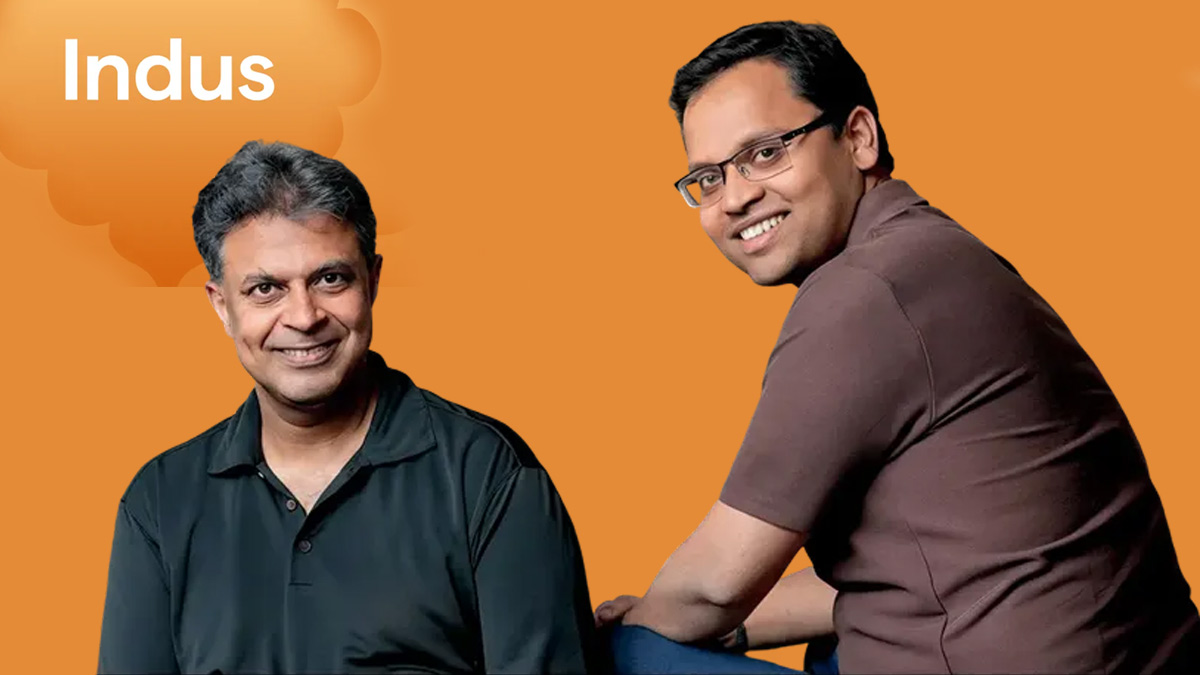
BENGALURU: India’s sovereign AI ambitions have moved from white papers to working product. Bengaluru-based Sarvam AI, founded by Vivek Raghavan and Pratyush Kumar, has opened limited beta access to Indus, a new conversational interface powered by its 105-billion-parameter sovereign model. The launch follows the company’s selection under the Government of India’s IndiaAI Mission to build a home-grown large language model.
For Sarvam, Indus is more than an app. It is proof of concept.
The company says its 105B model is smaller than the frontier systems that power global consumer chat platforms. That is by design. For now, the focus is on accuracy, efficiency and alignment with Indian contexts before scaling to larger foundational models. In other words, build steady, then build big.

True AI sovereignty, Sarvam argues, means owning the full stack. The first step was training foundational models from scratch in India. Indus is the next, giving India control over the data and interface layers as well.
Backed by the Centre, the project is positioned as part of the broader Atmanirbhar Bharat push. In a post on X, Sarvam said it is proud to have been selected to build India’s sovereign large language model, fluent in Indian languages, voice-enabled, capable of reasoning and ready for secure, population-scale deployment. The company thanked Prime Minister Narendra Modi and senior officials for their support.
Co-founder Pratyush Kumar struck a more rallying note. India, he wrote, must be a builder and not merely a consumer in this defining era of technology. Strategic autonomy starts now.
Indus is currently available in beta on iOS, Android and the web. Users can ask questions via text or voice and receive responses in both formats. Sign-in options include phone number, Google, Microsoft and Apple accounts. For now, access appears restricted to India.
There are early-stage wrinkles. Users cannot delete chat history without deleting their account. The reasoning feature cannot be switched off, which may slow responses at times. Compute capacity is limited, so new users may encounter a waitlist as access is gradually expanded.
Sarvam has made it clear that this is a work in progress. The company describes itself as being in listen mode, inviting feedback from developers, researchers, creators and everyday users. If sovereign AI is to mean anything, it says, it must be built with the country, not just for it.
The message is simple. Try Indus. Say what works. Say what does not. In the race for artificial intelligence, India is signalling it does not want to merely download the future. It wants to write it.






Digital
OpenAI’s Stargate lead Peter Hoeschele exits with two senior leaders
Trio behind compute push set to join new startup amid leadership reshuffle
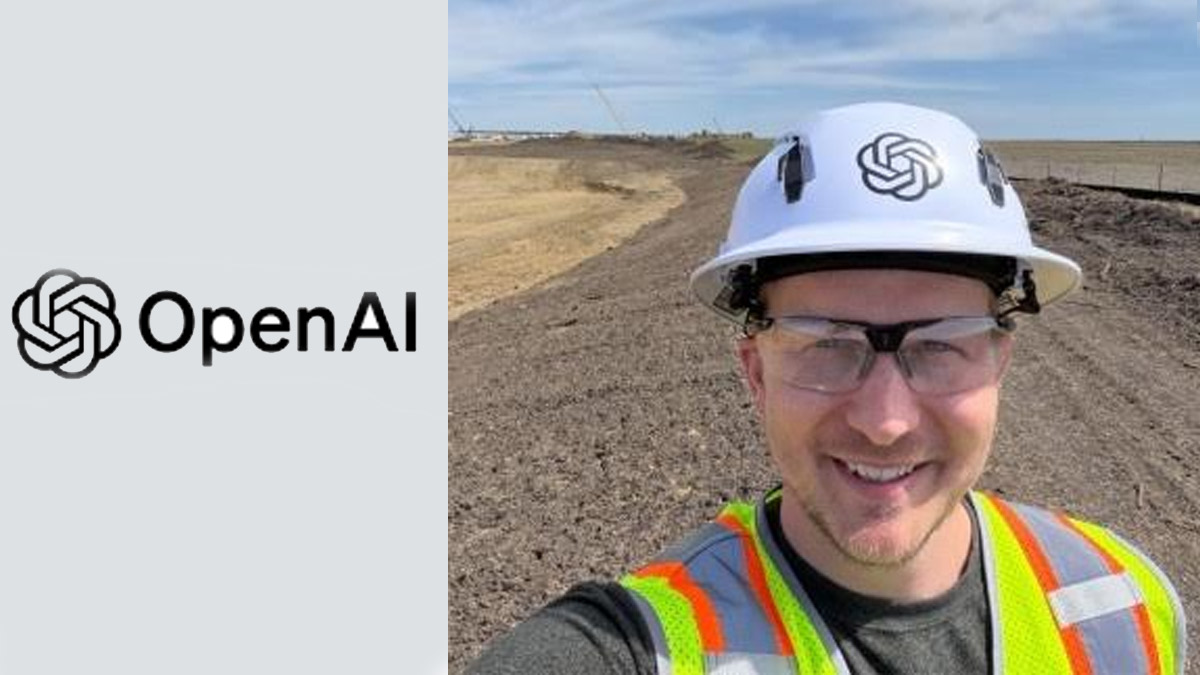
SAN FRANCISCO: Peter Hoeschele, a key figure behind OpenAI’s early Stargate data centre initiative, has exited the company, according to a report by The Information.
The departure is part of a broader leadership shift, with two other senior executives, Shamez Hemani and Anuj Saharan, also set to leave in the coming days. All three are expected to join the same new startup, although details about the venture remain under wraps.
The trio played a central role in OpenAI’s Stargate effort, an initiative aimed at building large-scale data centre capacity in-house to reduce reliance on external infrastructure providers. Their exits mark a notable moment for the company’s compute strategy as it continues to scale rapidly.
OpenAI spokesperson said in a statement to The Information, “We’re grateful for the contributions Peter, Shamez, and Anuj have made to OpenAI and wish them the very best in what comes next.” The company also pointed to the recent appointment of Sachin Katti to lead its industrial compute organisation, signalling continuity in its infrastructure roadmap.
OpenAI has indicated that it does not plan to directly replace Hoeschele’s role, suggesting a possible restructuring of responsibilities within the team.
As competition intensifies in the race to build next-generation AI systems, leadership changes in core infrastructure teams are likely to draw close attention. For now, the spotlight shifts to what this departing trio builds next, and how OpenAI adapts as it scales its ambitions.