Digital
Personality archetypes are shaping dating matches more than looks in 2026
QuackQuack survey finds singles prioritising vibe compatibility over appearances


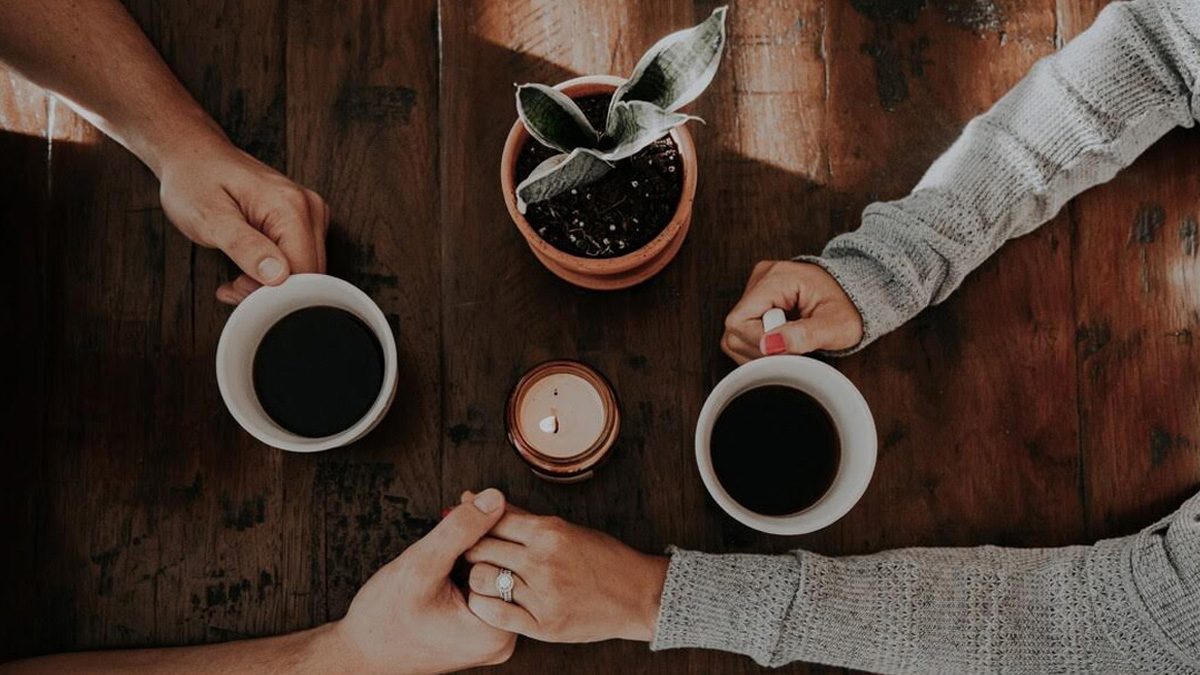
NEW DELHI: Love is going to the dogs and cats, at least when it comes to dating profiles. From “golden retriever energy” to “black cat vibes”, personality archetypes that began life as internet memes are now becoming a serious matchmaking tool for India’s singles.
A new survey by QuackQuack reveals that modern daters are increasingly prioritising personality compatibility over traditional filters such as appearance, height and even zodiac signs. The findings suggest that “energy compatibility” has emerged as one of the defining dating trends of 2026.
The study surveyed 10,384 active Gen Z and Millennial dating app users aged between 20 and 35 across cities including Delhi, Mumbai, Bengaluru, Hyderabad, Kolkata, Bhubaneswar, Kozhikode, Kochi, Lucknow, Nagpur, Kanpur and several Tier 2 and Tier 3 markets. Participants came from a wide range of educational and professional backgrounds to provide a broader view of current dating behaviour.
According to the survey, six in ten daters now use personality archetypes as a legitimate dating filter. Rather than seeking someone exactly like themselves, many are looking for a personality that balances their own.
The findings show that 41 per cent of respondents actively prefer partners whose personalities complement rather than mirror theirs. For many users, the ideal match is not two extroverts competing for attention or two reserved people waiting for the other to speak first. Instead, they are seeking a dynamic that feels emotionally balanced.
Among respondents, 56 per cent identified themselves as having “black cat energy”, characterised by selective affection, quiet confidence and a slightly mysterious personality. Of these users, nine out of ten said they were intentionally searching for partners with “golden retriever energy”, typically associated with warmth, enthusiasm, optimism and emotional openness.
The attraction appears to work both ways. The survey found that 46 per cent of self-described golden retrievers are drawn to people with calmer, more reserved personalities. Meanwhile, six in ten long-term couples surveyed said the pairing creates a healthier emotional balance, with one partner bringing spontaneity and the other offering stability and perspective.
Commenting on the trend, QuackQuack founder and chief executive officer Ravi Mittal said, “Self-awareness has been a big part of modern dating, and we have been repeatedly saying that. This energy compatibility is also a branch of that. The labels sound playful and meme-like, but they are real indicators of one’s personality, and in the pretext of fun, people are actually making very important and well-thought-out choices. The trend is not just about personality type; it also shows a significant shift in matching patterns. People have moved from relying on appearances, and they are now heavily invested in what lies within.”
The survey also highlights how these labels are becoming a shortcut for communication. Rather than writing lengthy descriptions about themselves, users are increasingly relying on personality tags to quickly convey who they are and what they are looking for.
Among respondents from Delhi, Bengaluru and Mumbai, 34 per cent of men and 38 per cent of women said profiles featuring personality labels were more appealing because they offered a clearer understanding of a potential match’s dating style before a conversation even began.
One respondent, Gautami, 28, from Delhi, explained that concise personality labels often feel more authentic than lengthy self-descriptions. She said that reading “golden retriever energy” immediately communicates enthusiasm and positivity without sounding overly self-promotional.
The trend is particularly strong among Gen Z users, many of whom view these labels as a form of dating shorthand. According to respondents, the tags help reduce awkwardness during initial conversations because both parties already have a rough understanding of each other’s personality traits.
Perhaps the most striking finding is the growing importance of emotional compatibility over physical attraction. More than 43 per cent of daters aged between 25 and 35 said personality archetypes now influence their dating decisions more than physical characteristics.
Divyanshu, a 26-year-old software engineer from Pune, said his priorities have changed significantly over the past year. While profile pictures once played the biggest role in his matching decisions, he now pays closer attention to how people describe themselves, communicate and express emotions. For him, the effort involved in understanding and defining one’s personality signals emotional maturity and self-awareness.
The rise of black cats, golden retrievers and other personality archetypes suggests that dating culture is undergoing a subtle but meaningful shift. In an era often criticised for superficial swiping, singles appear to be digging a little deeper, proving that in 2026, finding the right vibe may matter more than finding the perfect photo.