MAM
Ogilvy ends 32-year IBM creative partnership
WPP agency opts out of review amid broader group restructuring.


MUMBAI: Ogilvy just closed the longest chapter in advertising history because after 32 years, even the best client relationships sometimes need a clean page break. Ogilvy has ended its 32-year partnership as IBM’s creative agency of record, a relationship that began in 1994 when IBM consolidated its then-$500 million advertising business with the agency. The split was confirmed after Ogilvy chose not to participate in IBM’s upcoming creative agency review, according to a Campaign US report published on 14 March 2026.
The decision is understood to be commercial rather than creative, stemming from longstanding balance-of-trade tensions between WPP and IBM. In December 2025, IBM had initiated a media review in which WPP Media, the incumbent, also declined to participate.
The move aligns with WPP’s wider transformation under CEO Cindy Rose. The group is reshaping into four operating divisions WPP Media, WPP Creative, WPP Production and WPP Enterprise Solutions across North America, Latin America, Europe, the Middle East & Africa, and Asia-Pacific. The three-year “Elevate28” strategy aims to reverse revenue declines, reduce internal fragmentation and shift away from the traditional holding-company model toward a more integrated, technology-led operation.

Central to this shift is WPP Open, a platform connecting data, media and creative workflows at scale. The changes reflect intensifying pressure from consulting firms, tech companies and investor demands for durable growth in an AI- and automation-driven industry.
Despite the structural evolution, Ogilvy remains a cornerstone of WPP’s creative network, with reorganized capabilities spanning advertising, PR, customer experience and consulting through Ogilvy One. The agency continues to hold major global accounts while adapting to a market that increasingly favours fewer, more capable partners.
In an advertising world where partnerships once lasted decades, Ogilvy and IBM’s parting isn’t just the end of an era, it’s a quiet sign that even the strongest creative bonds can’t outrun the industry’s relentless rewrite.







Brands
Apple CEO Tim Cook to step down after 15 years, John Ternus to take over
Leadership shake-up sees long-time hardware chief step up from September
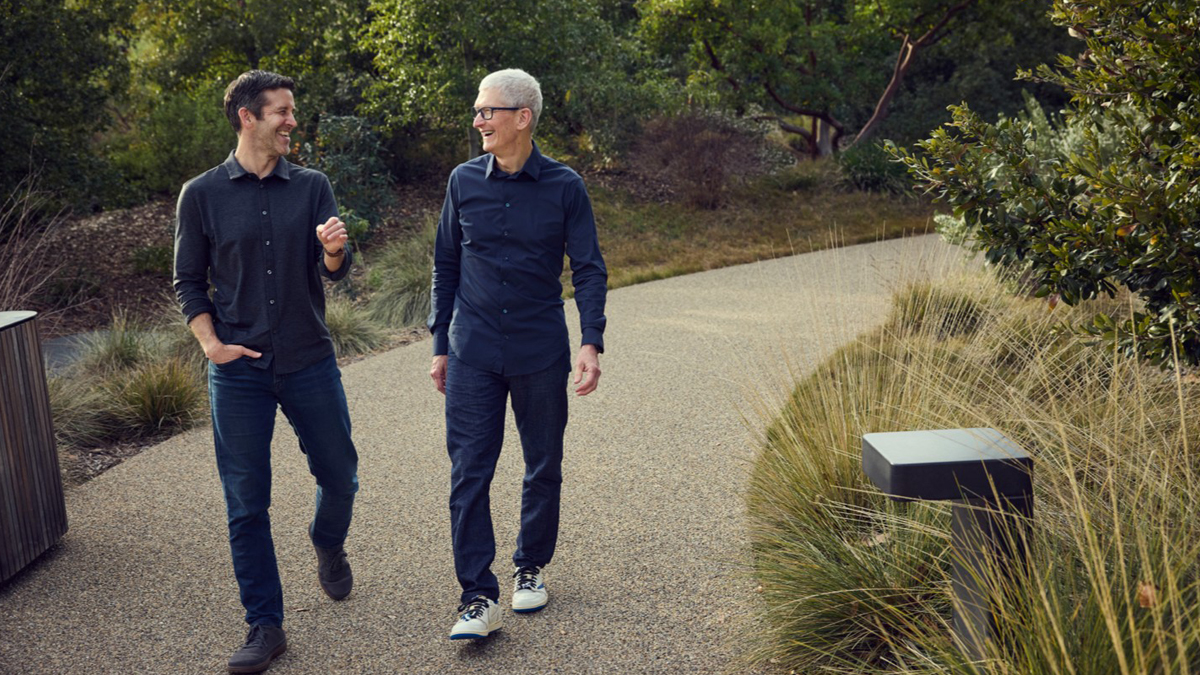
CUPERTINO: Apple has confirmed that chief executive officer Tim Cook will step down from his role and transition to executive chairman, with senior vice president of hardware engineering John Ternus set to take over as CEO from September 1, 2026.
The transition, approved unanimously by the board, marks a carefully planned leadership shift at one of the world’s most valuable companies. Cook will remain CEO through the summer, working closely with Ternus to ensure a smooth handover before moving into his new role, where he will continue to support Apple and engage with policymakers globally.
In a memo to employees, Apple CEO Tim Cook reflected on his 15-year tenure, recalling the moment Steve Jobs asked him to step into the role. “It was an emotional and challenging moment for all of us at Apple,” he wrote, adding that the company’s core values, from simplicity and innovation to a commitment to improving lives, remain unchanged.
Explaining his decision, Cook said the company’s strong roadmap and future outlook made this the right time for a transition. “I have never been more optimistic about Apple’s future,” he noted, while announcing Ternus as his successor. He described Ternus as “a visionary in his own right” with “remarkable integrity” and the right leader to guide Apple into its next phase.
Cook said, “John Ternus has the mind of an engineer, the soul of an innovator, and the heart to lead with integrity and with honour.”
Ternus, in his own note to employees, struck a steady, execution-focused tone. Ternus said, “It has been such a privilege to lead the hardware engineering team… I still plan to be very hands-on,” signalling continuity rather than a strategic reset.
As part of the leadership reshuffle, Ternus will step away from leading hardware engineering, with Tom Marieb taking over the role. Marieb will report to Johny Srouji, who assumes an expanded position as chief hardware officer, aligning hardware development more closely with Apple’s silicon and technology teams.
Cook also used his memo to thank employees, calling them “the most remarkable people in the world” and crediting them for building Apple into what it is today. A town hall has been scheduled at the Steve Jobs Theater to discuss the transition further.
The leadership change also sees Arthur Levinson move to the role of lead independent director, while Ternus joins Apple’s board.
Cook’s tenure has been defined by massive growth and expansion, with Apple’s market value rising from around $350 billion in 2011 to $4 trillion, alongside the launch of new product categories and a booming services business. Ternus, a 25-year Apple veteran, has played a central role in shaping the company’s hardware roadmap, from iPhone and Mac to newer innovations in materials and sustainability.
The transition signals a generational shift, but not a dramatic change in direction. If anything, both memos point to continuity, discipline and a belief that Apple’s next chapter will be built on the same values that shaped its last.