Brands
LinkedIn names Daniel Shapero CEO as Microsoft doubles down on AI shift
Ryan Roslansky will continue his role Microsoft AI role as LinkedIn bets on insider leadership.

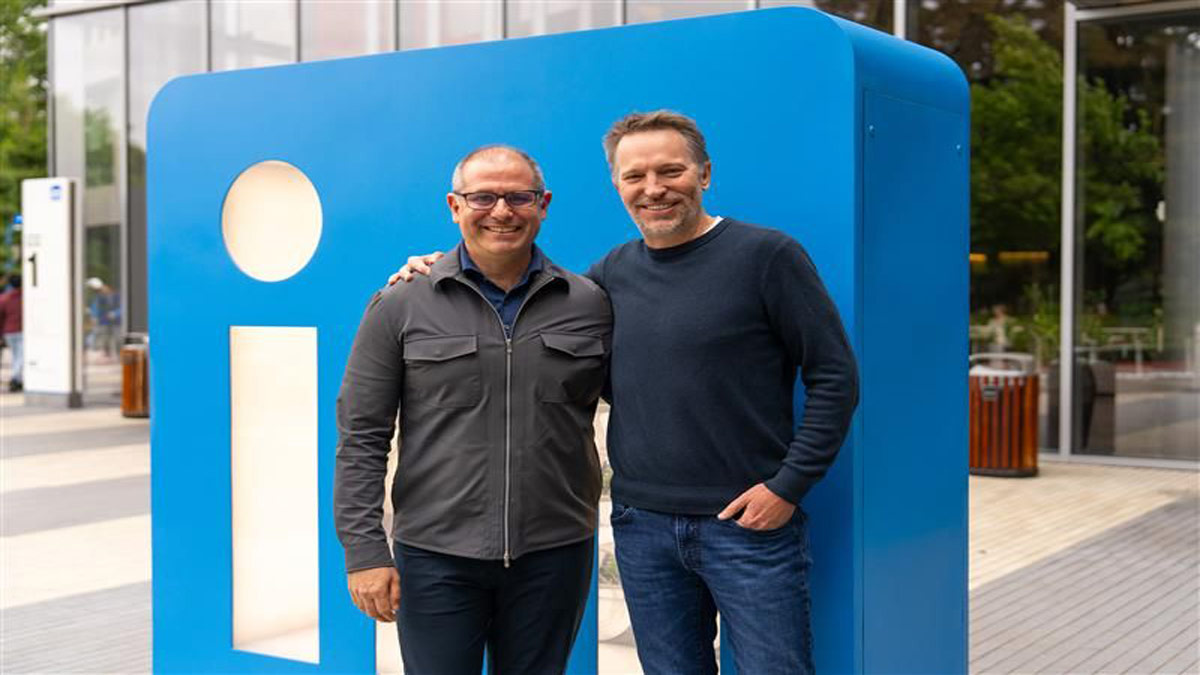
CALIFORNIA: Microsoft has appointed Daniel Shapero as the new chief executive of LinkedIn, marking a key leadership shift as the company sharpens its focus on artificial intelligence.
Shapero, a long-time insider who joined LinkedIn in 2008, steps up from his role as chief operating officer. He succeeds Ryan Roslansky, who will continue within Microsoft to work on AI-led productivity initiatives, reporting to Satya Nadella.
The move signals more of a strategic reshuffle than a traditional leadership exit. Roslansky, who led LinkedIn for six years and oversaw a near doubling of its user base to 1.3 billion, will now help integrate AI capabilities across Microsoft’s core productivity ecosystem, including its Office suite.
For LinkedIn, the choice of Shapero reflects continuity. Often described as “employee 300-ish”, he has spent nearly two decades across the company’s key functions, from sales and marketing to product and operations. As chief operating officer since 2021, he has been closely involved in scaling the platform’s business, including growth in premium subscriptions and advertising.
In his first message as CEO, Shapero emphasised LinkedIn’s core mission of driving economic opportunity, noting that the rise of AI makes that mission even more critical. He signalled a leadership approach focused on listening and learning, while preparing professionals to navigate rapid technological change.
The timing is telling. LinkedIn currently sits at a strong inflection point, with annual revenue estimated at around $19 billion and continued double-digit growth driven by AI-powered tools and advertising solutions. Microsoft’s broader strategy appears to position LinkedIn and its productivity suite as twin pillars of the modern workplace.
With Roslansky shaping AI strategy at the parent level and Shapero steering LinkedIn’s next chapter, the transition sets the stage for a deeper integration of generative AI into how professionals connect, learn and work.
The Roslansky era was about scale. The Shapero chapter now begins with a different brief: make AI central to the future of work.