Digital
How Hybrid Work-and-Dine Spaces Are Redefining Modern Urban Living


Somewhere in the last couple of years, the line between “where I work” and “where I eat dinner” just stopped existing for a lot of people. Hybrid schedules are now the default across media, tech and corporate roles in most Indian cities, and homes are quietly being asked to do two jobs in spaces that were only ever designed for one.
That’s not a minor shift for an industry that pays close attention to how people actually live day to day. It shows up in how people spend their evenings, how they entertain, and, increasingly, in what they buy for their homes.
One room, two jobs
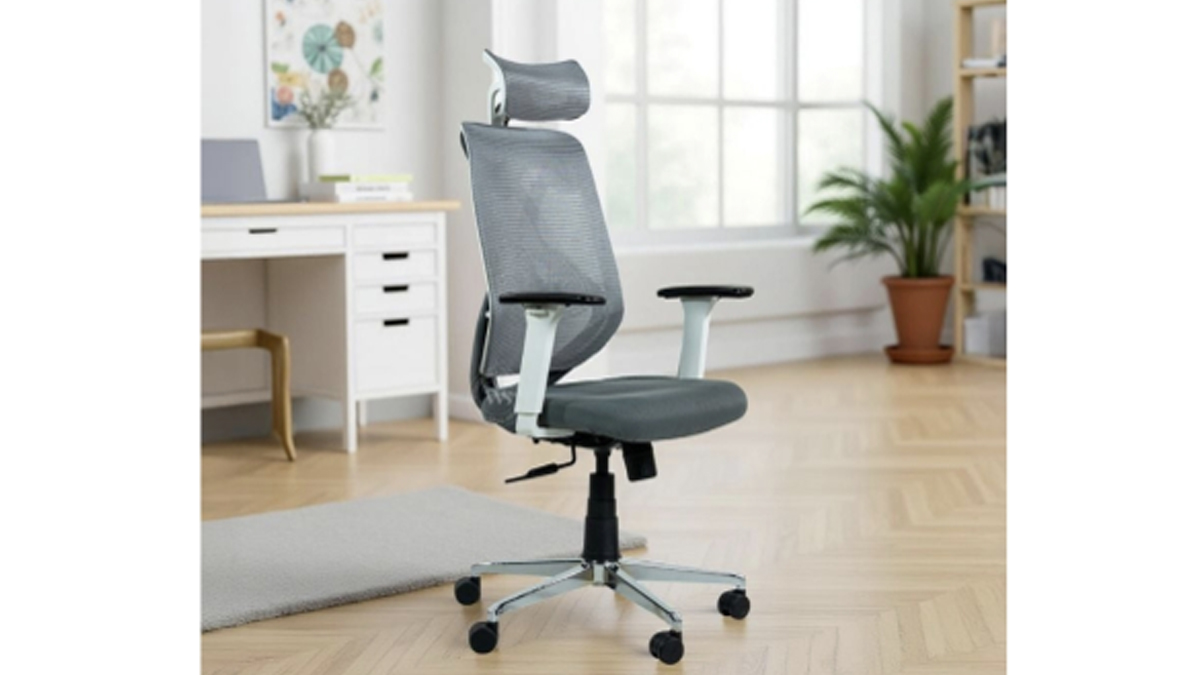
Nobody wants a laptop balanced on a bedroom corner desk anymore, not if they’re doing it three days a week. People want an actual work zone, one that can turn back into a personal space the second the laptop shuts. Which is probably why the home office chair has become one of the more researched purchases lately. Buyers comparing an ergonomic office chair price against long-term back support are far less willing than they used to be to settle for something that looked fine in a quick scroll but falls apart after four months of daily eight-hour use.
A few years ago, furniture buying in this category was mostly about looks and budget, in that order. That’s flipped. Among salaried professionals in media, IT and consulting, comfort during long stretches of sitting has become the first filter. Price still matters, obviously, but it’s no longer the only thing people check first.
The dining table is pulling double shifts
Meanwhile, the dining table has picked up a second identity. It’s not just for meals anymore. It’s where video calls happen, where flatmates end up brainstorming on a Sunday, and where, when guests do show up, everyone actually sits down to eat.
That’s part of why a 6 seater dining table set has seen steady demand among young urban households, especially ones that host colleagues or family on weekends. A table that size gives you room a four-seater just can’t, enough to seat guests properly at dinner, and enough surface during the week for laptops and paperwork without anyone bumping elbows.
What this actually says about how India furnishes homes
For a publication tracking how media and entertainment audiences live day to day, this is worth paying attention to. As more people in content, broadcasting and digital roles work odd hours from home, their furniture choices are turning into a quiet signal of how work culture itself has shifted. A chair isn’t just a chair anymore, it’s part of the workday. A dining table isn’t just for meals, it’s a flexible surface that has to keep up with how people actually use their homes now.
Retailers who’ve picked up on this are moving away from single-purpose pieces. Buyers, for their part, are spending more time comparing materials, sitting in a chair before buying it, and thinking about years of mixed use rather than how something looks on day one.
This one’s probably here to stay
What started as a pandemic-era adjustment has settled into something permanent. Hybrid work isn’t going anywhere, and neither is the expectation that a home should support both productivity and hosting without needing two separate rooms for each.
As that continues, furniture tied directly to daily comfort, seating built for long work hours, tables built for shared meals and shared laptops, is likely to keep seeing demand well past this year. For an audience that watches consumer habits shift around media and lifestyle, the modern Indian home office and dining corner is one more example of how deeply hybrid living has rewritten everyday choices.







