MAM
How Air Quality and Heavy Traffic Shape What You Actually Pay to Own a Car in Delhi

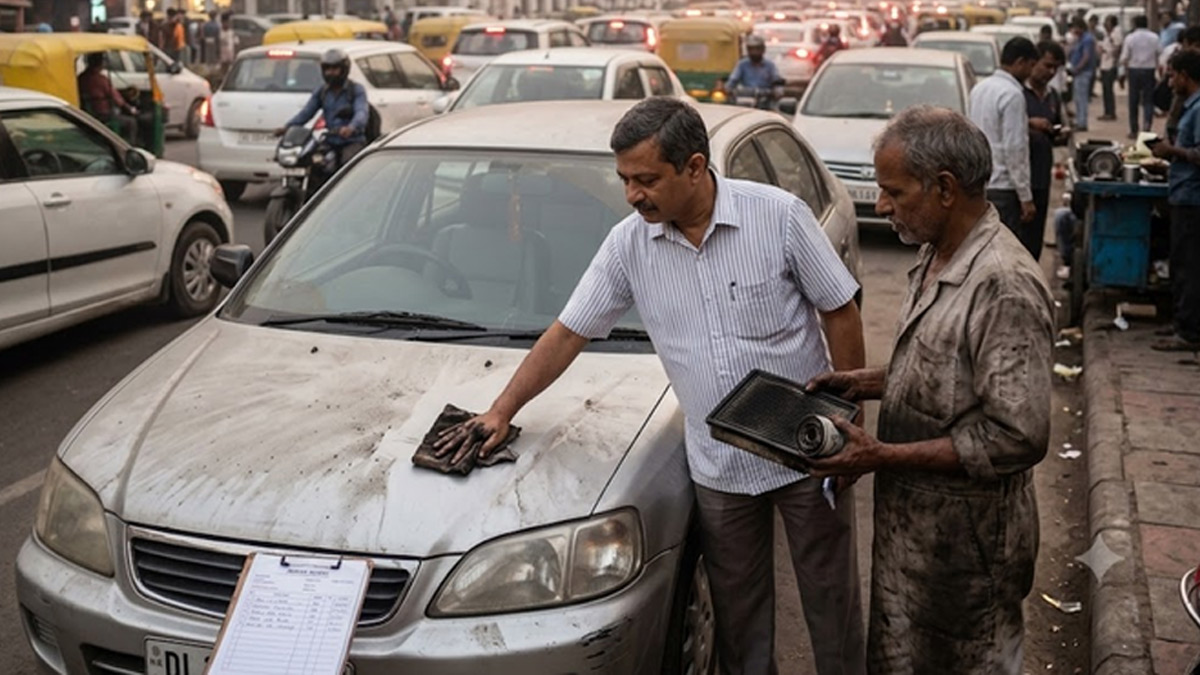
Owning a car in Delhi costs more than the EMI. Most buyers never see it coming. The city’s air quality and gridlocked roads quietly inflate maintenance bills, depreciation curves, and insurance premiums in ways that don’t show up until you’re already deep into ownership – or worse, trying to sell.
What pollution actually does to your engine and cabin systems
Delhi’s particulate matter levels force air filters to work overtime. A standard engine air filter that lasts 15,000 km in a cleaner city often needs replacement by 8,000 to 10,000 km here. Cabin air filters clog even faster, especially during the October to February smog season, and a neglected cabin filter puts extra strain on the blower motor. Most owners don’t notice until airflow drops to a trickle.
Stick to shorter service intervals: roughly every 7,500 km instead of 10,000 km, even if the manual says otherwise. That single habit can extend engine life by years. It’s not glamorous advice. But it works.
For anyone looking to sell car in Delhi, this maintenance history matters enormously. Buyers and platforms scrutinise service records closely. Service history at authorised service centres adds 3 to 7% to fair value when complete and documented, which directly affects the price you’re offered.
How stop-and-go traffic eats into running costs
Delhi’s average traffic speed during peak hours drops into single digits across major corridors like the Outer Ring Road and Vikas Marg. That constant idling burns fuel without covering distance. A car rated at 18 km/l on the highway might deliver 10 to 12 km/l in daily Delhi commutes, sometimes less with the AC running year-round.
Beyond fuel, there’s the mechanical toll. Clutch plates wear faster in manual transmission cars fighting through heavy traffic, brake pads need more frequent replacement, and automatic transmission fluid degrades quicker when the gearbox cycles endlessly between first and second gear.
None of these are dramatic failures, just slow, steady increases in per-kilometre ownership costs that stack up across a typical four to five year ownership period. Most people only notice at resale time. That’s too late to do anything about it.
One thing worth checking that almost nobody does: suspension bushings and tie rod ends. If you are driving on some of Delhi’s rough roads with speed breakers every few hundred metres, front suspension components that last 60,000 km elsewhere can need attention by 40,000 km here. A paint thickness gauge reading on the underbody also reveals how much stone chip damage and corrosion has accumulated. Most owners never inspect this until resale, which is exactly the wrong time to find surprises.
Depreciation curves hit differently in high-pollution cities
That changes things at resale. Cars in Delhi depreciate slightly faster than identical models in cities with milder driving conditions. The combination of higher wear, paint oxidation from pollution exposure, and buyer perception created by environmental conditions produces a measurable value gap. It’s not massive. But it’s consistent.
Registration adds another layer. Delhi enforces strict age-based restrictions on petrol and diesel vehicles under National Green Tribunal directives – a 15-year-old petrol car or 10-year-old diesel vehicle can’t legally ply in the NCR region. This regulatory ceiling compresses the usable life of a vehicle and steepens the depreciation curve in the final years of ownership.
Most people think depreciation only matters when you’re selling. That’s only half the story. Tracking how value shifts year over year shows you the optimal exit window before you’ve already missed it, usually around the six to seven year mark for most segments.
Run a car valuation check periodically, not just at the point of sale.
Practical steps to protect your ownership investment
Staying ahead of Delhi-specific costs requires deliberate habits most owners skip.
Keep a separate maintenance log. Note filter replacements, fluid top-ups, and any unusual consumption patterns. This document becomes a negotiation tool at resale, tangible proof the car was looked after when every other seller is asking a buyer to take their word for it.
Park smart. Covered parking protects paint and rubber seals from UV and pollution damage far more than people realise. Cars parked outdoors in Delhi develop faded headlamp lenses and cracked dashboard surfaces noticeably faster, sometimes within two or three years.
Get an annual underbody inspection. Rust-proofing treatments applied every couple of years cost a fraction of what structural corrosion repair demands later.
Finally, time your sale. Prices for used cars in Delhi tend to firm up before Diwali and during the wedding season. Not a guarantee. But awareness of seasonal demand patterns gives you leverage that most sellers don’t bother to use.






