
MAM
Getty Images plans bankruptcy restructuring to return to private ownership
Company faces $2.1 billion debt as AI competition intensifies, with investors pledging up to $533 million in new equity


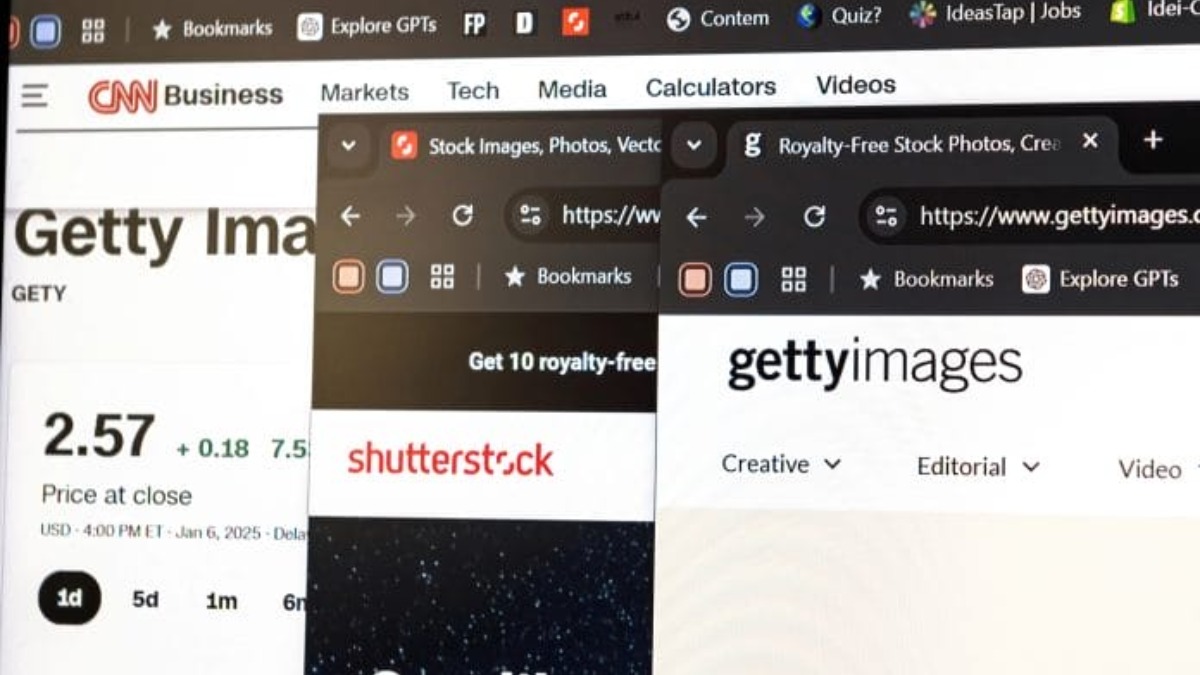
MUMBAI: Getty Images is looking to reframe its financial future, but this time the picture comes with a hefty price tag. The visual-content company plans to file for bankruptcy protection under a restructuring agreement, aiming to return to private ownership as mounting debt, competition from AI-generated imagery and the collapse of its proposed Shutterstock merger weigh on its business, Reuters reported.
The company expects the restructuring to close by the end of 2026 and plans to begin an expedited, prepackaged Chapter 11 process in the coming weeks. Following the restructuring, affiliates of the Getty family and Koch Equity Development are expected to own 100 per cent of the company.
Investors have committed up to $533 million in new equity to support the business. Koch Equity Development has also agreed to provide financing of up to $143 million to help fund the restructuring process.
The move marks a significant reset for a company whose photographs, videos and other visual assets serve publishers, news organisations, brands and creative businesses. Getty competes with agencies such as Reuters and the Associated Press in editorial imagery, while also supplying licensed content for commercial use.
Getty’s financial overhaul follows the collapse of its proposed merger with Shutterstock in June 2026. The transaction had been intended to bring together two major players in the visual-content market, but was abandoned amid financial and strategic challenges.
Under the restructuring agreement, holders of Getty’s unsecured bonds have agreed to retire $270 million in notes. Secured lenders will also reduce interest costs and extend debt maturities, easing pressure on the company’s balance sheet.
Getty reported total debt of approximately $2.1 billion as of 30 June 2026, highlighting the scale of the financial challenge facing the business as the market for licensed images evolves.
The company withdrew its financial guidance in August while reviewing strategic financing alternatives and balance-sheet management initiatives. It had engaged Guggenheim Securities to advise on the process.
Getty said its operations would continue normally during the restructuring, with vendors to be paid in full in the ordinary course.
Beyond its debt burden, Getty faces a changing visual-content market as generative AI tools make it easier for users to create images and other visual assets without relying exclusively on traditional image libraries.
For Getty, the challenge is to preserve the value of its licensed imagery and editorial archives while adapting to customers’ changing requirements and AI-powered creative workflows. The company’s extensive content library remains central to its business, but the growing availability of synthetic imagery is putting pressure on established providers to demonstrate the value of their offerings.
A return to private ownership could give Getty greater scope to reorganise its finances and reposition the business as the industry evolves. However, the restructuring itself does not resolve the longer-term challenge of competing in a market increasingly shaped by AI.
Getty’s financial difficulties have also been reflected in its stock performance. Its shares have lost about 99 per cent of their value since it returned to public markets in 2022 through a special purpose acquisition company (SPAC) transaction that valued it at approximately $4.8 billion.
According to Reuters, Getty’s market valuation stood at around $20.74 million at Friday’s close, while the New York Stock Exchange began delisting proceedings against the company in late September.
The restructuring is expected to conclude by the end of 2026, subject to completion of the process and related conditions.
For Getty, the plan is an attempt to clear the financial slate while protecting a business built on visual storytelling. But as AI changes how images are created, licensed and used, the company’s next chapter will depend on more than restructuring its debt: it will also need to prove that its pictures remain worth paying for.






