iWorld
Instagram tests Features to expand into long form video content
The widescreen format is being trialled in the US and Brazil as Meta steps up competition with YouTube for creators and TV audiences


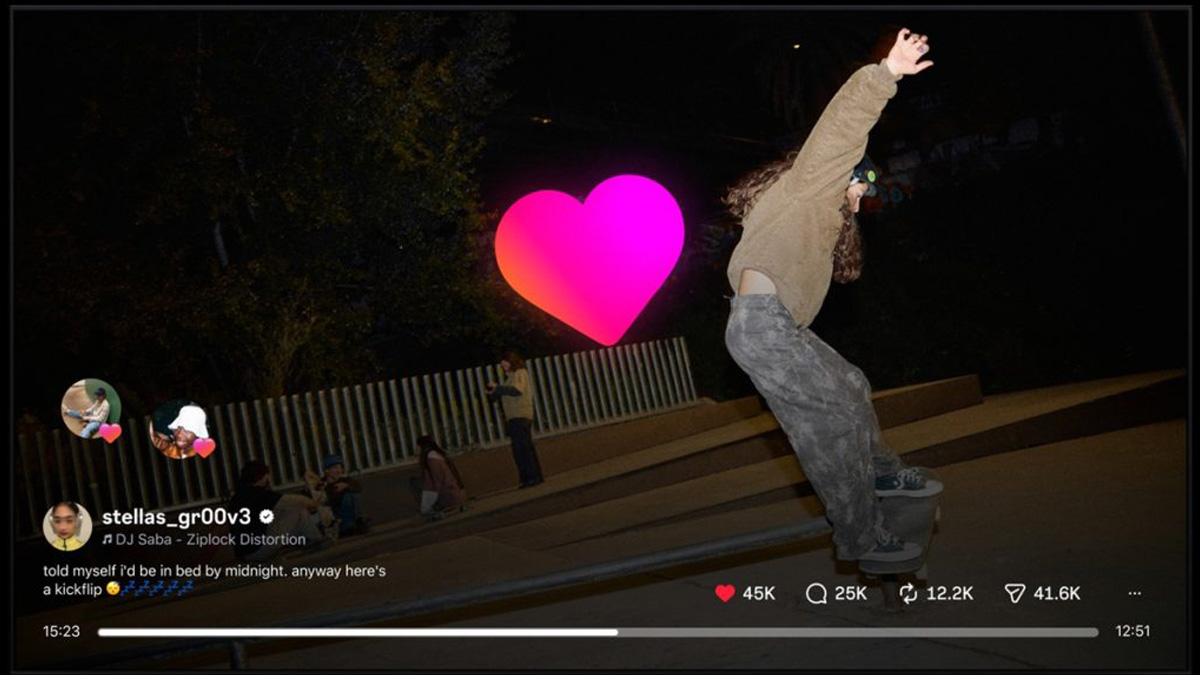
MUMBAI: Instagram may be getting ready to give the scroll a longer run. The Meta-owned platform is testing a new video format called Features, designed for longer, widescreen content, as it looks to move beyond bite-sized Reels and make more room for full-length viewing.
The experiment is currently limited to a small group of users in the US, with some creators in Brazil also participating. Instagram has not announced when, or whether, Features will be rolled out more widely.
The test signals a shift in how the platform is approaching video. Instagram has built much of its recent video strategy around short-form clips that are easy to discover, watch and share. Features could give creators another way to publish longer programmes without abandoning the shorter videos that help audiences find their work.
The challenge is to make longer viewing fit naturally into a platform built around quick discoveries and social interaction, rather than turn Instagram into a destination where users simply sit back and watch.
Instagram head Adam Mosseri discussed the experiment in a video with Tessa Lyons, the platform’s vice-president of product. Mosseri acknowledged a potential trade-off: longer videos could draw users away from content they might otherwise discover and share with friends.
That tension lies at the heart of the test. Longer videos can offer creators more space to tell stories, develop ideas and hold viewers’ attention, but they could also compete with the short-form content that keeps Instagram’s feed moving.
The platform is exploring how the two formats could work together rather than operate as rivals. A podcast or comedy special, for instance, could be published as a full-length video through Features, with shorter highlights repurposed for discovery through Reels.
Such an approach could allow creators to use Reels as a gateway to longer content. A short clip might introduce a conversation, joke or key moment, while the full programme gives interested viewers a reason to stay.
For creators, the appeal would be the ability to distribute different versions of the same content within Instagram’s ecosystem. For the platform, the experiment could help extend viewing time while retaining the discovery and sharing habits associated with Reels.
However, Instagram has yet to disclose how Features will work in practice, including how the format will be surfaced to users or integrated into its existing video experience.
Instagram’s experiment comes as video platforms compete for more than views. Creator loyalty, original programming and the ability to attract audiences across devices are becoming increasingly important parts of the contest.
YouTube, which has an established presence in long-form video and television viewing, is also adjusting its short-form strategy. The platform recently announced changes to its Shorts recommendation system intended to give greater visibility to original content and reduce the reach of minimally edited reuploads.
YouTube has also been expanding tools that allow creators to organise Shorts into episodic series, making it easier for audiences to follow content across multiple instalments and devices, including televisions.
The moves reflect a broader shift in the video business. Short-form clips remain useful for discovery and frequent engagement, but platforms are also looking for ways to keep audiences invested in creators and programmes over longer periods.
Instagram’s Features test would put another option on the table. Rather than relying exclusively on short clips, creators could potentially use the platform to distribute both highlights and full-length material. The extent to which that appeals to established long-form creators, however, will depend on the format’s eventual reach, features and monetisation opportunities, none of which Instagram has detailed for the test.
The Features experiment also follows Instagram’s push to take its video offering beyond mobile phones.
The platform initially piloted a television app focused on Reels for Amazon Fire TV devices in the US. It has since expanded to Google TV, Samsung TVs and Apple TV, while adding support for formats such as Stories.
A widescreen format could be a natural extension of that strategy. Content designed for a wider frame may be better suited to television viewing than videos primarily created for vertical mobile screens, particularly when the material involves extended conversations, comedy specials or other longer programmes.
It could also give creators another distribution option for content that might otherwise be published primarily on YouTube or other long-form video services.
But bringing content to television is only one part of the equation. Instagram must also make it easy for users to discover longer videos, decide what to watch and move between full-length programmes and shorter clips without disrupting the social experience that defines the platform.
The Features test does not, by itself, confirm how the format will be presented on television or whether it will be available across all the devices supported by Instagram’s existing TV app.
Features also fits into Instagram’s broader exploration of episodic content. The platform has been testing a Series tab with publishers for microdrama content, signalling interest in ways to organise video around recurring programmes rather than isolated posts.
Together, these experiments point to a platform testing different ways to package and distribute video. Reels can serve as short-form discovery content, series can give audiences a reason to return, and a widescreen format such as Features could accommodate longer programmes.
The approach could offer creators greater flexibility, particularly those whose work spans interviews, podcasts, comedy and other formats that do not always fit neatly into a short clip.
For publishers and media companies, the question will be whether Instagram can become a useful distribution channel for longer programmes without requiring them to change how they produce content or fragment their audiences across multiple platforms.
For now, Features remains an experiment rather than a confirmed new destination for long-form video. Instagram has not announced a wider rollout date, and details of its availability and integration remain limited.
The bigger test is whether Instagram can persuade users to stay for the full show after winning their attention with a few seconds of video. If it can, Features could give the platform a longer role in creators’ distribution strategies; if not, Reels may remain the main attraction.