iWorld
Airtel, Google collaborate to block spam messages with web links
Google says safer RCS will boost trust in business messaging

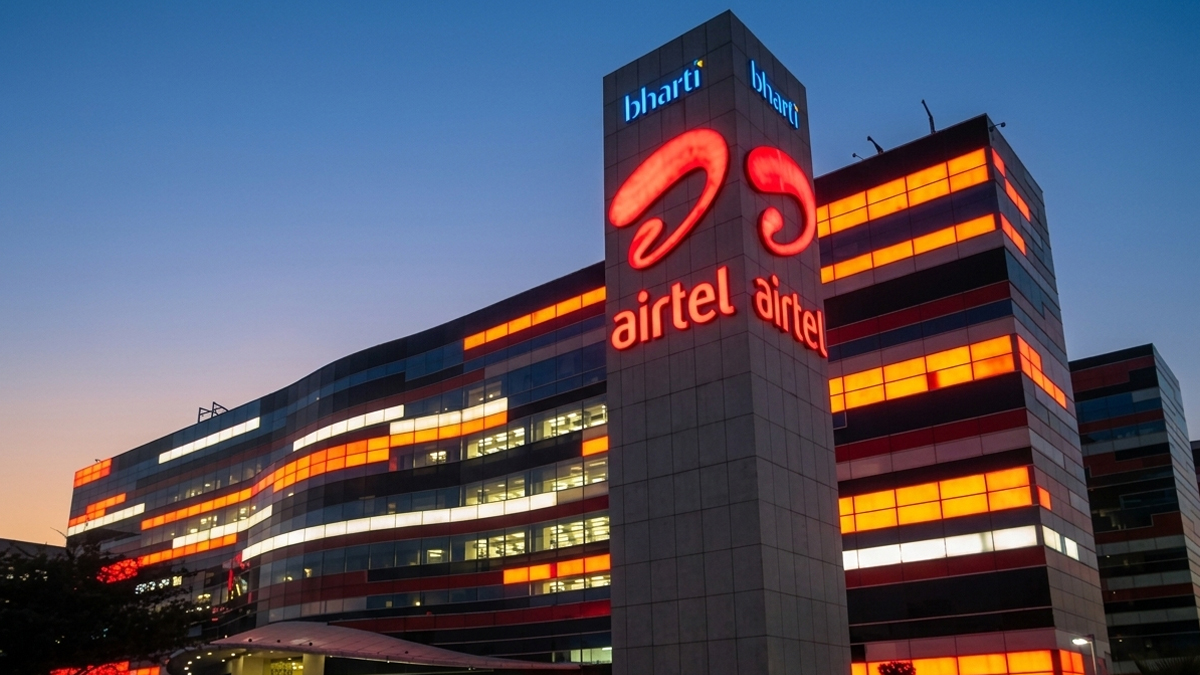
GURUGRAM: Bharti Airtel will roll out its AI-powered spam protection tool on text messages sent via Google’s messaging platform, extending its anti-fraud shield beyond the traditional telecom network.
The partnership integrates Airtel’s network intelligence with Google’s Rich Communications Services (RCS) platform and built-in spam filters. Users will retain RCS features such as high-resolution photos, video and interactive message reactions, while gaining stronger protection against mobile spam and digital fraud.
Airtel says its AI systems have blocked 7,100 crore spam calls and 290 crore spam SMSes over the past 18 months. The company claims this drove a 68.7 per cent drop in the value of financial losses on its network during that period.

The move reflects a growing concern over internet-based bulk messaging services, which often embed transaction links and are increasingly exploited by fraudsters.
Bharti Airtel executive vice chairman Gopal Vittal, said the partnership pushes customer protection beyond the telco domain. He urged over-the-top communication platforms to collaborate in curbing spam and financial fraud, arguing that many non-telco apps lack the stringent safeguards embedded in carrier-grade systems.
Airtel noted that traditional mobile networks operate under defined safety standards. By contrast, several standalone messaging apps have become fertile ground for “sophisticated bad actors”, turning into common conduits for invasive spam and financial scams.
The integration with Google aims to close that gap. By embedding Airtel’s intelligence layer into RCS, alongside Google’s own spam protections, the companies say they are creating a carrier-backed messaging environment with higher accountability.
Google Android ecosystem president Sameer Samat, said businesses using RCS for enterprise communication would benefit from clearer authentication, enabling customers to distinguish legitimate brand messages from spam. Greater trust, he argued, would translate into deeper engagement and more durable customer relationships.






iWorld
Bill Ackman’s Pershing Square makes $64 billion bid to acquire Universal Music Group
Ackman pitches NYSE relisting plan as UMG board weighs unsolicited offer

The hedge fund has proposed a business combination that values UMG at €30.40 per share, representing a hefty 78 per cent premium to its current trading price. The offer includes €9.4 billion in cash alongside stock in a newly formed entity, with shareholders set to receive €5.05 per share in cash and 0.77 shares in the new company for each UMG share they hold.
Under the proposal, UMG would merge with Pershing Square SPARC Holdings Ltd and re-emerge as a Nevada-based entity listed on the New York Stock Exchange. The move is designed to boost investor visibility and potentially secure inclusion in major indices such as the S&P 500.
Pershing Square Capital Management ceo Bill Ackman argued that while UMG’s operational performance remains strong, its market valuation has lagged due to external factors. “UMG’s stock price has languished due to a combination of issues that are unrelated to the performance of its music business,” Ackman said, pointing to concerns ranging from shareholder overhang to delayed US listing plans.
Ackman also flagged what he sees as untapped potential in UMG’s balance sheet and a lack of clear capital allocation strategy. He added that the market has not fully recognised the value of UMG’s €2.7 billion stake in Spotify, alongside gaps in investor communication.
The proposed transaction would also result in the cancellation of around 17 per cent of UMG’s outstanding shares, while maintaining its investment-grade balance sheet. Pershing Square has said it will fully backstop the equity financing, with debt commitments secured at signing. The deal is targeted for completion by the end of the year.
UMG, however, has struck a measured tone. The company confirmed that its board has received the non-binding proposal and will review it with advisers. It reiterated confidence in its current strategy and leadership under Lucian Grainge, signalling no immediate shift in stance.
The proposal comes at a time when global music companies are navigating evolving investor expectations, streaming economics and capital allocation pressures. For Pershing Square, the bet is clear: sharpen the financial story, relist in the US, and let the music play louder in the markets.
Whether UMG’s board is ready to change the tune remains to be seen, but the spotlight on its valuation just got a lot brighter.






