ITV News
OpenAI robotics chief Caitlin Kalinowski quits over Pentagon AI deal concerns
Caitlin Kalinowski warns defence pact lacked safeguards as AI debate deepens

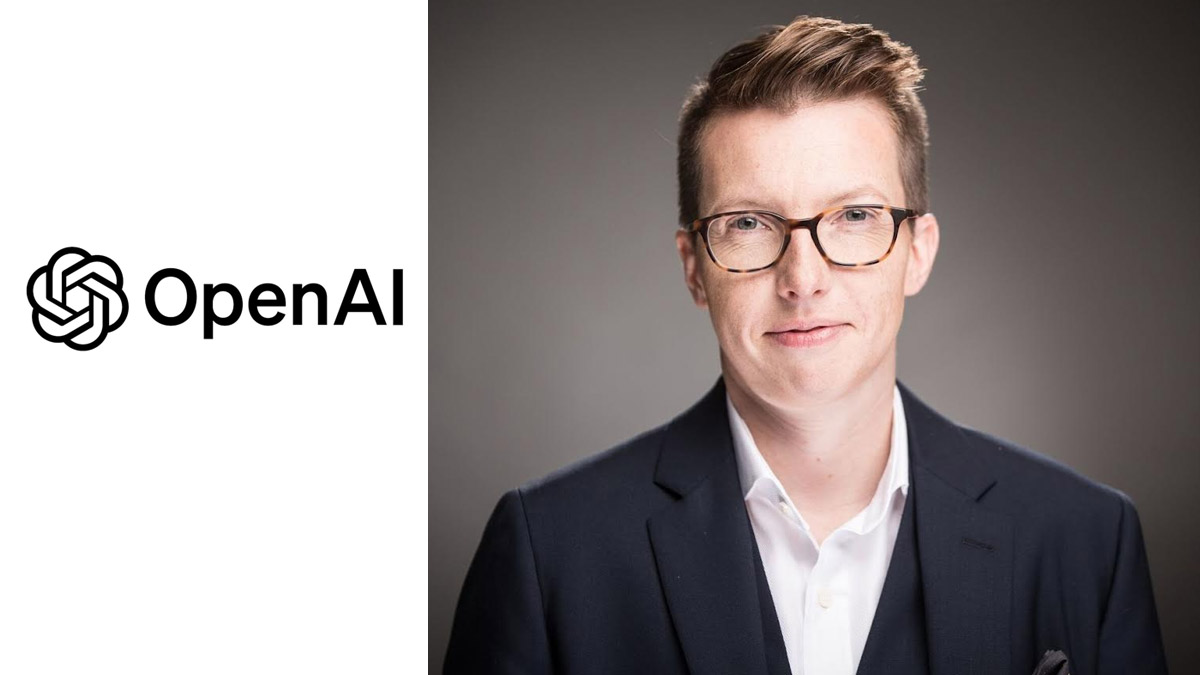
CALIFORNIA: OpenAI’s head of robotics and consumer hardware, Caitlin Kalinowski, has resigned after raising concerns about the company’s new agreement with the United States Department of Defense, according to a report by Reuters.
Announcing her decision on Saturday, Kalinowski said the move to deploy OpenAI’s artificial intelligence models on the Pentagon’s classified cloud networks had been made too hastily, without enough discussion around safeguards.
In posts on X, Kalinowski said artificial intelligence could play an important role in national security but warned that certain applications required stronger oversight.
“AI has an important role in national security. But surveillance of Americans without judicial oversight and lethal autonomy without human authorisation are lines that deserved more deliberation than they got,” she wrote.
Kalinowski said the defence agreement had been announced too quickly and without clearly defined guardrails on how the technology could be used.
She added that while she has deep respect for OpenAI chief executive Sam Altman and the broader team, the issue was largely about governance and decision-making.
In her posts she suggested that agreements of such scale should not be rushed before safeguards are fully established.
OpenAI, in response, said the agreement includes additional protections governing how its technology can be deployed. The company reiterated that its internal policies prohibit the use of its systems for domestic surveillance or fully autonomous weapons.
The company also said it recognises that people hold strong views about the use of artificial intelligence in defence and security, and that it will continue engaging with governments, civil society and employees on the issue.
Kalinowski joined OpenAI in 2024 after previously leading augmented reality hardware development at Meta Platforms. At OpenAI, she oversaw robotics initiatives and consumer hardware development.
Her departure highlights growing tensions within the AI industry as companies increasingly pursue government and defence contracts while navigating ethical concerns around surveillance and autonomous weapons.
The leadership churn does not end there. Max Schwarzer has also recently left the company to join Anthropic.
Schwarzer said on X that many of the people he trusts most have already moved to Anthropic in recent years. During his time at OpenAI, he worked on inference and post-training efforts for several models including GPT-5, 5.1, 5.2 and 5.3-Codex.
The exits come amid growing scrutiny of OpenAI’s partnership with the Pentagon, which will allow defence officials to integrate the company’s advanced AI systems into classified environments.
Notably, Anthropic previously declined to expand its own Pentagon contract, citing concerns that certain provisions did not align with its red lines on mass surveillance and autonomous weapons.
As artificial intelligence moves closer to the machinery of national security, the debate is shifting from what AI can do to what it should do. Kalinowski’s resignation suggests that even inside the companies building the technology, that question remains far from settled.