MAM
Awards shouldn’t be taken very seriously: R Balki

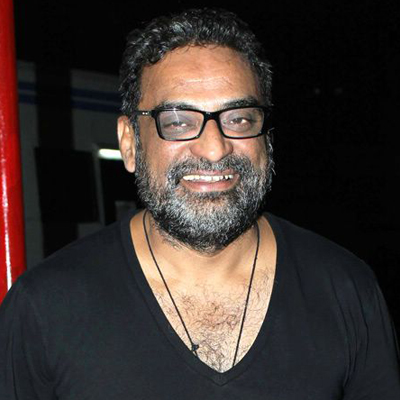
MUMBAI: A leader is said to be the one who takes criticism in his stride and recognition is the last thing on his mind. We wonder if this is the driving thought of filmmaker and the chairman and chief creative officer of the ad agency Lowe Lintas & Partners R Balki?
At the recently concluded Effie Awards conducted by the Advertising Club, Lowe Lintas walked away with the Agency of the Year honour as it bagged six gold, five silver and five bronze metals at the award ceremony. But the man, who is the driving force behind the stupendous work, proclaims that awards have never been in his priority list.
In fact, most of the award shows of the advertising world have in any way not earned the required respect from the ad fraternity. While some have been shunned by most of the advertisers, some have not even been noticed. And some agencies have started their own award shows in order to bring in quality, for instance Lowe Lintas’ True Show or Ogilvy and Mathers’ Envies.
Unlike the showbiz that’s full of award functions and celebrities gracing them as well, the award shows of the ad world are a low key affair attended by few and the number of participants being even fewer. And if in such a scenario, an award function manages to bring almost the entire fraternity together, it certainly means something. The 13th edition of Effie received a great response with almost every agency gracing the event.
Lowe Lintas led the Effies leaving Ogilvy & Mather behind by 35 points, but the winning companies’ boss still stood by his belief that these functions are about partying and winning and losing doesn’t really matter. Indiantelevision.com probed Balki a little more to get an insight after his agency’s grand victory. Excerpts:
On a personal level, you have been very vocal about what awards (don’t) mean to you! So what do you and your team have to say about winning the Effie?
It is not about winning or losing but an evening of celebration. Effies have always been a constant part of the industry and we have always participated in it. It is a democratic agency where many feel that we should enter the agency and not others. So we enter in the shows where the team as a whole wants to participate.
So if you win, you party with a lot of noise and if you don’t win then you should party without making a big noise. I think winning and losing is a part of the game and I don’t think awards should be taken so seriously. It’s not a death and life scenario at all; it is not that if one wins an award we are better or otherwise. I believe that it is the work that speaks and it could be good or bad without winning an award.
Awards are not important but if the team feels that they want to participate in a certain award then they are free to do so. The team right now felt that it should participate in the Effies and so we went ahead and did. Tomorrow, if the team feels that it doesn’t want to participate in any award then we will not. It all depends on the team.
Anything you would like to change about Indian advertising awards?
One hundred per cent we would like to initiate an award where advertising should be just the way it is. It can neither be all about effectivity nor creativity. I think creativity is to make things better and sometimes it is not about making it better. Sometimes great ideas also don’t work. It cannot be just about effectiveness or blind creativity. There is a way to judge advertising ads. It is funny that an industry which creates so many ads and brands hasn’t been able to create an awesome award function for itself.
Whom do you see as your main competitor especially during award shows?
We don’t believe in award shows so we don’t believe in competitors. There are a lot of good agencies; O&M is a great agency which is during great work. There are few others as well but two agencies which are doing some great work are O&M and Lintas.
Which would be the one award which you would like to hold in your hands? Since you have dabbled in films it can be a film award too?
Since I don’t believe in them, I guess I will have to think hard before I say that. Right now, I don’t know if there’s an award that exists that really catches my fancy.