Education
Creating a Monthly Digital Calendar for Bill Payments

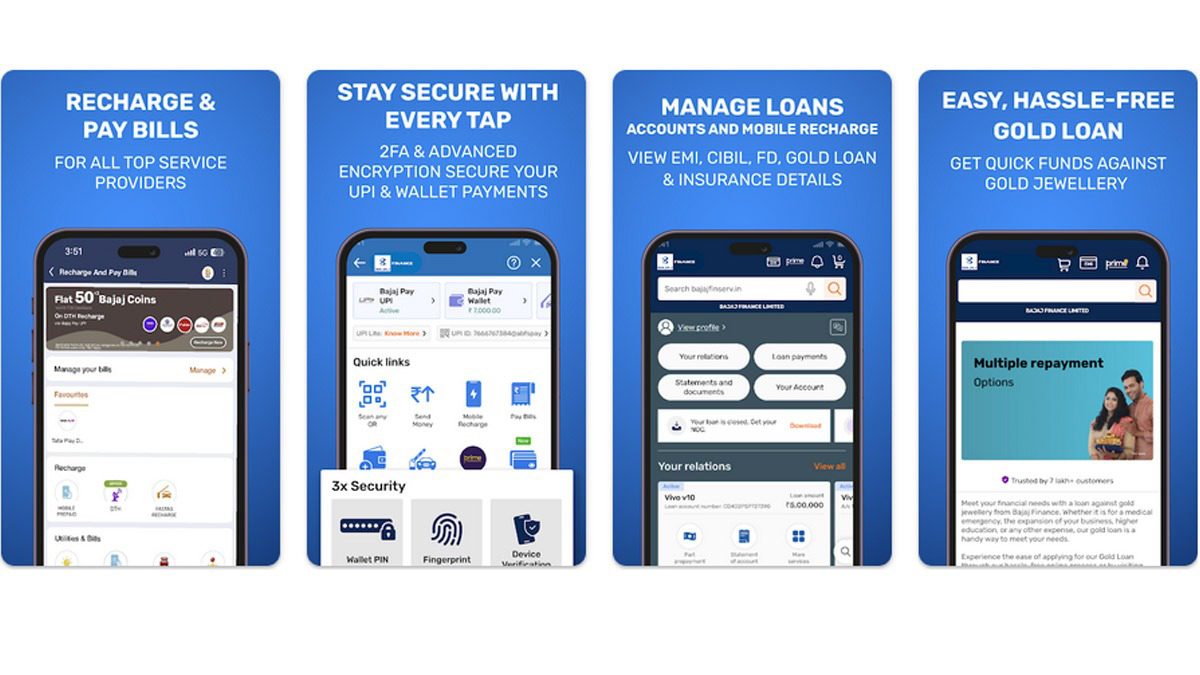
Managing your finances often feels like a puzzle with pieces that keep moving. Between the mortgage, the internet, and those small streaming services, it is easy to let a due date slip through the cracks. Missing a deadline does more than just trigger a late fee. It can also cause unnecessary stress and potentially impact your credit score over time.
A digital calendar is one of the most effective ways to regain control. By moving your financial schedule into a space you check every day, you turn a source of anxiety into a routine task. This guide will help you build a system that keeps your bill payments organized and your mind at ease.
The Benefits of a Visual Financial Schedule

Most people rely on their memory or a pile of paper statements to manage their money. This approach is risky because life is busy and distractions are constant. When you use a digital calendar, you create a visual map of your month. You can see exactly when money is leaving your account, which helps you plan your spending around your income.
A digital system also offers portability. You can check your schedule on your phone while you are at the grocery store or on your laptop while you are at work. This constant access ensures that you are never surprised by an upcoming withdrawal. Over time, this visibility builds a sense of financial confidence. You stop wondering if you can afford a purchase because you already know exactly what is due in the coming week.
Gathering Your Necessary Information
Before you can build your calendar, you need to conduct a thorough audit of your expenses. Start by looking through your bank statements and credit card history from the last three months. This will help you identify recurring costs that you might have forgotten. Make a list of every obligation, including the name of the service, the average amount due, and the specific date it must be paid.
Do not forget about the expenses that do not happen every month. Many people struggle with quarterly insurance premiums or annual membership fees because they are not part of the daily routine. Include these in your list so they do not catch you off guard later in the year. Once you have a complete list of your bill payments, you are ready to start the digital setup.
Structuring Your Digital Calendar
The first step in the actual setup is to create a dedicated calendar layer specifically for your finances. Most digital calendar platforms allow you to have multiple calendars that you can toggle on and off. By keeping your financial dates separate from your work meetings and social events, you can focus on your budget without getting distracted by other commitments.
When you enter an item, use a consistent naming convention. For example, you might start every entry with the word “Pay” followed by the name of the service. This makes the calendar easy to scan. You should also include the expected amount in the title of the event. Seeing the dollar amount directly on the calendar helps you estimate your total cash flow for the week at a glance.
Categorizing Your Expenses for Clarity
Color coding is a powerful tool for organizing your digital schedule. You might choose to use one color for fixed expenses like rent or car payments and another color for variable expenses like utilities. This visual distinction helps you understand which costs are set in stone and which ones might require a bit more monitoring.
Another helpful strategy is to distinguish between automated payments and manual ones. If a bill is set to be automatically deducted from your account, you might label it with a specific symbol or a different shade. This tells you that the payment is handled, but you still need to ensure the funds are available. For manual bill payments, the calendar entry serves as a direct call to action that requires your intervention.
Setting Up Effective Alerts
The real power of a digital calendar lies in its notification system. A static list of dates is helpful, but an active reminder is what prevents late fees. For most people, a two-day warning is ideal. This gives you enough time to move money between accounts or double-check that a statement is correct before the due date arrives.
Consider setting a second reminder for the actual day the payment is due. This acts as a final safety net. If you are managing manual bill payments, these notifications ensure that you do not get to the end of the day and realize you forgot to log into a portal. The goal is to remove the need for constant mental monitoring. Let the technology do the work of remembering so you can focus on other things
.
Organizing by Frequency and Timing
Not all financial obligations follow a thirty-day cycle. When you input your data, pay close attention to the frequency settings. Most digital tools allow you to set events to repeat monthly, weekly, or annually. Use these features to automate your calendar maintenance. Once you set a recurring event for your trash collection or your gym membership, you never have to think about it again.
It is also wise to align your calendar with your paydays. If you get paid on the first and the fifteenth of the month, look at which bill payments fall in the days immediately following those dates. This allows you to see if your cash flow is balanced. If you find that too many expenses are clustered at the beginning of the month, you might even contact your service providers to request a change in your billing cycle.
Reviewing and Refining Your System
A digital calendar is not a project that you finish once and never look at again. It is a living document that needs to evolve with your life. Set aside ten minutes at the end of every month to review the upcoming four weeks. This is the time to add any new subscriptions you have joined or remove services you have cancelled.
During this monthly review, check for any changes in payment amounts. Utility bills often fluctuate with the seasons, and some services may increase their rates over time. Keeping your calendar updated with accurate figures ensures that your financial planning remains precise. This habit of regular maintenance turns a simple tool into a comprehensive management system that supports your long-term financial health.

Education
Scaler appoints new heads for its online and offline businesses
Amar Srivastava becomes chief executive of the online business and group chief product officer; Vidit Jain takes charge of the offline schools

BENGALURU: Scaler is shuffling its top deck as the AI skilling race heats up. The Bengaluru-based tech education company has elevated two senior executives to lead its online and offline businesses, signalling a sharper push into an AI-driven market.
Amar Srivastava, previously senior vice president for product and business, has been appointed chief executive of the online business and group chief product officer. Vidit Jain has been elevated to senior vice president and head of Scaler School, taking charge of the company’s offline education units, the Scaler School of Business and the Scaler School of Technology.
The company has also recently appointed Ratnakar Reddy as head of enterprise for India and the Middle East and North Africa, with a brief to drive partnerships with governments and enterprises for AI-led skilling programmes.
Abhimanyu Saxena, co-founder of Scaler, said the promotions reflect the company’s confidence in both leaders and the direction it is heading. “Amar and Vidit have been central to Scaler’s journey, and their elevations reflect our conviction in their leadership and the direction we are shaping as a company,” he said. “With leadership now in place across the business, we remain focused on building engineers the world’s best companies want to hire. In an AI-first economy, that mission is more urgent and more achievable than ever. Our next chapter is centred on building an AI-native workforce from India, equipped to compete in a technology-driven global economy.”
Srivastava brings over a decade of experience building education-focused ventures. He previously founded Intellify and was part of the early team at Doubtnut. At Scaler, he will lead the online business with a focus on growth, profitability and expansion into new segments, while strengthening the product ecosystem across the group. He is blunt about what the AI economy actually needs. “The AI economy does not have a shortage of tools. It has a shortage of engineers who can think clearly, build reliably, and keep learning as the ground shifts. That is what we are building toward,” he said.
Jain brings more than 15 years of experience across startups and consulting, including stints at MPL and McKinsey and Company. He will oversee growth and profitability of Scaler’s offline business. His priorities are immediate and unambiguous. “The offline experience is where depth gets built, and that depth is critical in the AI era. Over the next 12 months, our focus will be on consistent growth, stronger unit economics, and delivering outcomes for students while building long-term employer partnerships,” he said.
Founded in 2019, Scaler is valued at $710 million and backed by Peak XV Partners, Tiger Global and Lightrock India. Its parent firm, InterviewBit, has featured on the Financial Times’ Asia Pacific High Growth Companies rankings every year from 2021 to 2025. On average, Scaler’s learners see a 4.5x return on investment and a salary increase of around 126 per cent.
With leadership locked in across every business unit, Scaler is betting that the next wave of global tech hiring will be won or lost on the quality of engineers coming out of India. It is a big bet. But the numbers, and the promotions, suggest the company is in no mood to hedge.






