Regulators
India’s spam cop tightens the screws on Truecaller, telcos and phone makers
TRAI’s sweeping new anti-spam rules rope in app developers and handset giants, slap fresh penalties on errant operators and give spammers five days to plead their case before the axe falls


NEW DELHI: India’s telecom regulator has drawn up its most muscular assault yet on the country’s spam epidemic, dragging call-management apps, smartphone makers and telecom operators into a tightened web of obligations that could redraw how the country’s 1.4 billion mobile users are pestered or protected.
The Telecom Regulatory Authority of India (TRAI) on March 13th released draft amendments to its Telecom Commercial Communications Customer Preference Regulations, 2018, inviting stakeholder comments by April 12th and counter-comments by April 27th. The scale of what is proposed is striking.
Apps and handsets in the crosshairs

For the first time, TRAI is explicitly targeting third-party spam-filtering apps such as Truecaller, phone-dialler applications and the built-in spam-blocking features baked into handsets by Google, Samsung and others. Under the proposals, spam reports submitted through these apps or directly to phone makers must be routed to telecom operators’ distributed ledger technology (DLT) platforms so they can be treated as formal complaints and trigger action against spammers.
The numbers make clear why the regulator is moving: in 2025 alone, Truecaller identified over 4,168 crore spam calls and 12,903 crore spam messages in India, with the community blocking 1,189 crore spam calls for Indians.
Apps that drag their feet face serious consequences. They could receive regulatory warnings, be declared non-compliant or, most damagingly, lose their intermediary liability protections under the Information Technology Act, 2000.
There is also a pointed restriction: apps must not tag, block or filter calls originating from the 140 and 1600 number series, which are reserved for registered telemarketers, service calls and official communications.
Operators bear the heaviest load
Telecom operators face expanded duties to detect, investigate and act against spam. AI-based systems must be deployed to identify suspected spam activity and verify the identity and usage of telecom resources by anyone flagged by such systems. If suspicious activity recurs, operators may need to conduct physical verification and suspend or disconnect the relevant telecom resources.
TRAI has also proposed additional charges to deter operators from turning a blind eye to bulk spam. A maximum termination charge of 5 paise per minute will apply to robocalls originating from numbers outside the 1400 or 1600 series, payable by the operator on whose network the call originates to the receiving carrier.
Operators must additionally carry out deeper validation of message templates before accepting commercial traffic from senders, and must designate a senior management employee as appellate authority to handle consumer complaints.
Timelines tightened, loopholes closed
The new rules extend the window for operators to examine call detail records when verifying a spam complaint, from one business day to two. The time limit to check for other complaints against the same sender has been stretched from two business hours to a full business day.
Networks will be required to share intelligence on AI-flagged spam numbers with each other within two hours. Once an investigation is initiated, the sender gets five business days to make their case before telecom resources are suspended or disconnected.
Consumer rights get attention too. A 15-day window is introduced for users to appeal an unsatisfactorily resolved complaint; the operator’s designated appellate authority must then resolve it within a further 15 days.
Businesses must come clean
For businesses and telemarketers, compliance tightens significantly. They must pre-declare whether they use automated application-to-person messaging, and failing to do so exposes them to operator action. Registered details, headers and templates must be verified annually to avoid automatic suspension.
If credentials are misused, businesses must act fast: reset credentials within 24 hours and report to law enforcement within two days. TRAI has also closed the old “inquiry loophole” that had allowed companies to send promotional messages under the guise of responding to a customer query. Explicit consent is now mandatory.
Penalties for telemarketers are blunt: first-time offenders lose access to their numbers for 15 days; repeat offenders face a year-long disconnection, blacklisting, device blocking, and must pay at least half the total restoration cost to have numbers reinstated.
The bottom line
India has long had the infrastructure to fight spam. What it has lacked is the reach, stopping at the telecom operator’s gate while millions of complaints piled up in apps and handsets, never feeding back into any formal enforcement system. TRAI’s draft amendments seek to fix that plumbing. If they survive the stakeholder gauntlet intact, Truecaller and its peers will no longer be mere spam detectors. They will be compelled participants in stamping it out.






I&B Ministry
Digital radio, D2M tech set to reshape broadcasting and public messaging
Govt pushes next-gen delivery while TRAI tightens grip on spam ecosystem
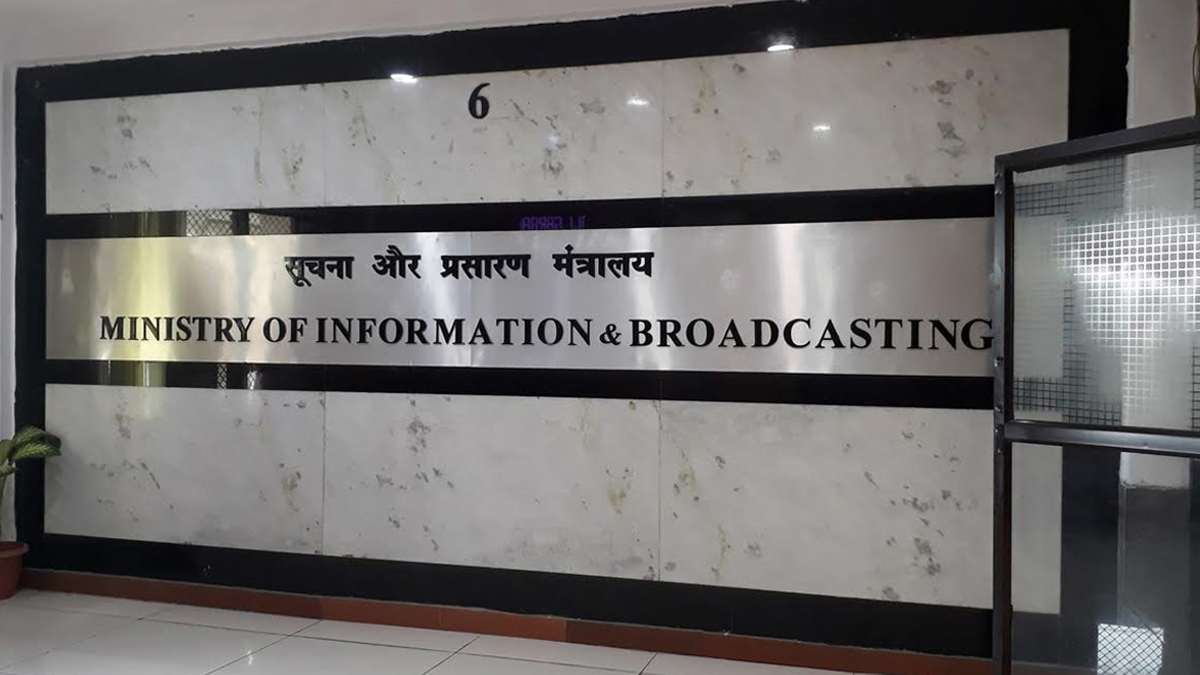
NEW DELHI: India’s broadcasting and telecom landscape is undergoing a quiet but significant upgrade, with digital radio and Direct-to-Mobile (D2M) technologies emerging as powerful tools for mass communication, while regulators step up efforts to tackle spam calls.
According to the Ministry of Information and Broadcasting, digital radio and D2M are poised to transform how content reaches audiences by making more efficient use of spectrum. In simple terms, multiple channels can now be delivered over a single frequency, opening the door to a wider range of free-to-air content.
D2M technology takes this a step further by enabling video, audio and data to be broadcast directly to mobile handsets without relying on SIM cards or mobile data. The result is a resilient and cost-effective data pipe that can deliver everything from entertainment and education to critical emergency alerts, even in low-connectivity scenarios.
At the same time, the Telecom Regulatory Authority of India is tightening its grip on unsolicited commercial communication, better known as spam calls. The regulator has deployed a distributed ledger technology platform to bring transparency and accountability into the system.
Through this blockchain-based setup, consumers can register their preferences on receiving promotional messages, while businesses and telemarketers must also sign up and operate within defined rules. The platform also includes a complaint mechanism that allows users to report spam, with complaints shared across telecom operators for coordinated action.
The government’s broader push is being supported by infrastructure upgrades under the Broadcasting Infrastructure and Network Development scheme. Implemented through Prasar Bharati, the initiative focuses on modernising networks such as Akashvani and Doordarshan, including digitisation and adoption of next-generation broadcast equipment.
In a written reply in the Lok Sabha, Ministry of Information and Broadcasting minister of state for information and broadcasting L. Murugan said these steps are part of a larger effort to promote emerging technologies and strengthen the country’s broadcasting backbone. The response came to a query raised by member of Parliament Rao Rajendra Singh.
Together, these developments point to a dual-track strategy: expanding access to reliable, low-cost content while cleaning up the communication ecosystem. As digital pipes get smarter and spam filters sharper, India’s airwaves may soon feel a lot less noisy and far more useful.






