Hollywood
Trump invested over $1.1m in Netflix bonds at the peak of Warner Bros bidding battle
Financial disclosures show U.S. president also bought Warner Bros Discovery debt during high-stakes media takeover race.

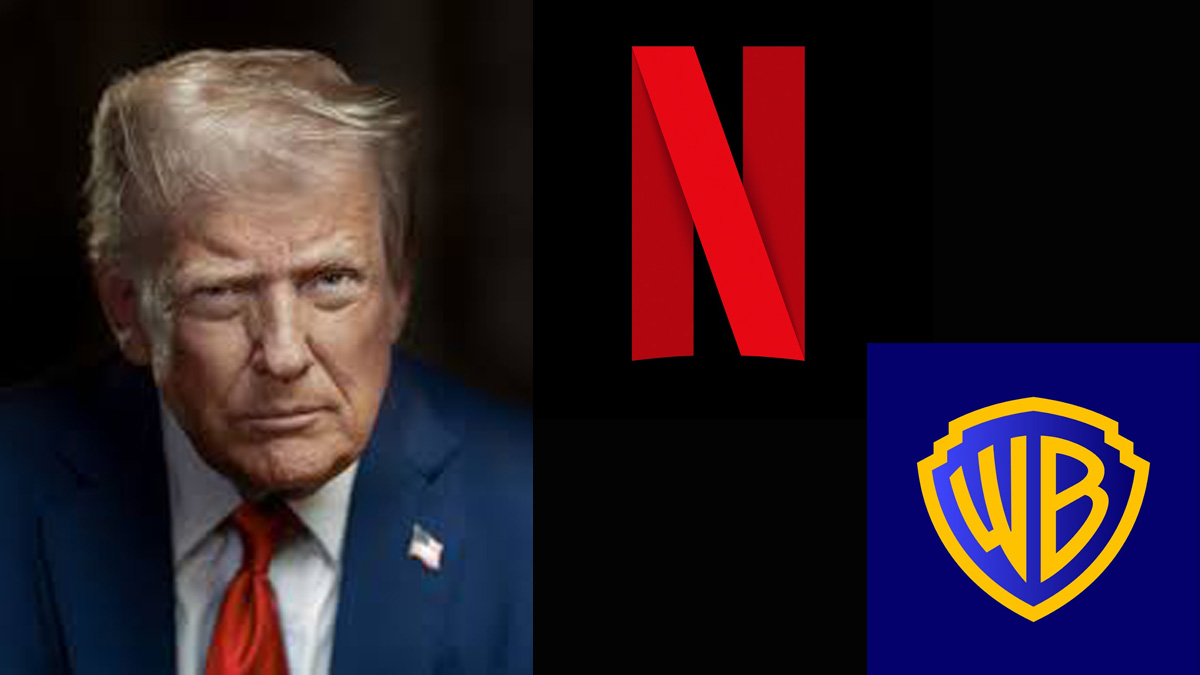
WASHINGTON: New government financial disclosures show that U.S. president Donald Trump purchased more than $1.1 million worth of bonds issued by Netflix over the past three months. The transactions occurred during a period when Netflix was engaged in a competitive bidding war for Warner Bros. Discovery, a potential merger that the Trump administration had publicly criticised on antitrust grounds.
Between December and January, the president acquired Netflix bonds valued between $1.1 million and $2.25 million. The bonds carry a 5.375 per cent interest rate and are scheduled to mature in November 2029. Financial disclosures also revealed an additional investment in Warner Bros Discovery bonds. The purchase was valued between $500,002 and $1 million, with the debt reportedly bought at roughly 92 cents on the dollar. The bonds are now trading at around 95 cents on the dollar, leaving the position currently in profit.
The timing of the investments has drawn scrutiny because the administration had been openly critical of Netflix’s market activities at the time. While the president’s trust was purchasing the debt, the administration reportedly pressured Netflix to remove board member Susan Rice and expressed concerns that a Netflix–Warner merger could harm competition.

The White House has dismissed conflict-of-interest concerns, stating that the president’s assets are managed independently by his children. Spokesperson Anna Kelly said U.S. presidents are legally exempt from the conflict-of-interest laws that apply to other federal officials.
Despite the financial interest, Netflix ultimately lost the race to acquire Warner Bros Discovery. Paramount Skydance secured the deal on 27 February with a $110 billion offer. The acquisition was backed by Larry Ellison, who guaranteed $40 billion to support the bid, while major lenders including Bank of America, Citigroup and Apollo Global Management provided $39 billion in financing.
The final acquisition leaves the combined Paramount entity carrying roughly $85 billion in debt, while Netflix withdrew its bid roughly two weeks before the official disclosure report was released.







Hollywood
David Zaslav could net up to $887m as Warner Bros Discovery sells up
Media mogul strikes gold as Paramount Skydance deal triggers massive windfall
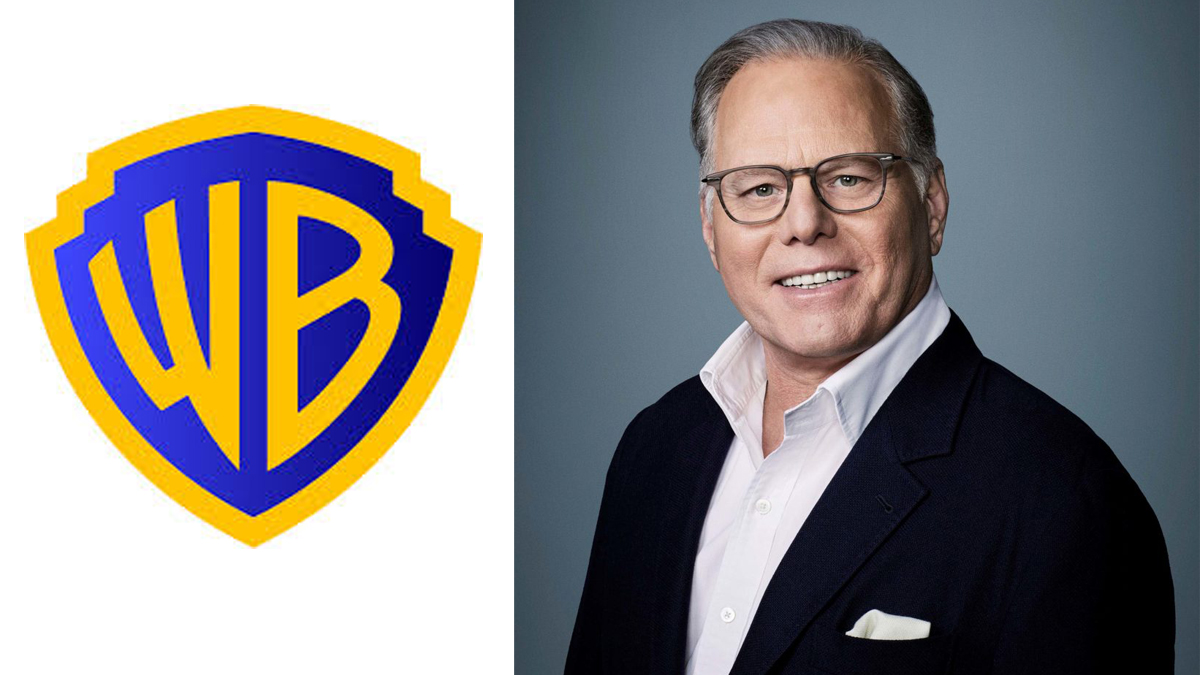
NEW YORK: While the average office worker might hope for a nice clock and a round of applause upon leaving, David Zaslav is looking at a slightly more substantial parting gift. The chief executive officer of Warner Bros Discovery is positioned to receive a windfall of up to $887 million following the company’s blockbuster $110 billion sale to Paramount Skydance.
In a twist of corporate fate that feels scripted for the big screen, the deal marks the finale of a high-stakes bidding war. It comes after Netflix, once the frontrunner, decided to exit stage left and abandon its pursuit of the HBO Max parent company.
While most people receive a standard final paycheck, the filing released on Monday suggests Zaslav’s exit package is built a little differently. If the deal closes as expected in the third quarter of 2026, the numbers break down like this:
The cash out: A severance package of $34.2 million, covering his salary and bonuses.
The equity: $115.8 million in vested shares he already owns.
The future fortune: A massive $517.2 million in unvested share awards, essentially “future stock” that turns into real money the moment the ink dries on the merger.
Perhaps the most eye-catching figure is the $335 million earmarked for tax reimbursements. However, this particular pot of gold has an expiration date.
The company noted that these reimbursements are tied to specific tax-code rules that significantly decline as time passes. If the deal hits a snag and drags into 2027, that tax payout drops to zero. With hundreds of millions on the line, the chief executive officer likely has every incentive to ensure the closing process moves at double-speed.