MAM
Why the best campaigns today start with insights, not ideas

MUMBAI: For decades, creative storytelling has been the cornerstone of brand communication. The “big idea” amplified through catchy jingles, striking visuals, and memorable hooks was once the gold standard for relevance and recall. Creativity defined presence, and the loudest, boldest campaigns often won attention.
But the marketing landscape today looks very different.
Audiences are more exposed, more discerning, and far less patient. They are inundated with messages across platforms, formats, and creators, often encountering hundreds of brand touchpoints in a single day. In this environment, creativity alone especially when untethered from real consumer truths is no longer enough to move behaviour. Great ideas are abundant. Meaningful impact is not.

This is where insights matter.
The difference may seem subtle, but it is fundamental. An idea represents what a brand wants to say. An insight reflects what the audience is already thinking, feeling, or experiencing. The most effective campaigns emerge not from cleverness alone, but from the intersection of these two forces.
From creativity to relevance
As the marketing ecosystem becomes increasingly saturated, consumers are growing immune to inflated claims and surface-level storytelling. Even beautifully crafted campaigns can fail if they are disconnected from lived realities. The gap between a brand’s internal enthusiasm and the audience’s actual sentiment can be the difference between attention and indifference.
Insights help bridge this gap. They force brands to pause, listen, and observe to understand emotions, behaviours, cultural contexts, and contradictions. Instead of trying to be remembered through louder branding, insight-led campaigns allow audiences to see their own experiences reflected back at them. When a campaign articulates a problem that feels personal, relevance is created. Trust follows.
Insight is interpretation, not information
It’s important to distinguish between data and insight. Data tells us what is happening. Insight explains why it is happening. While data is measurable and structured, insights are interpretive and dynamic, shaped by real-time sentiment and human behaviour.
Modern consumers are full of contradictions. They demand authenticity while remaining deeply aspirational. They want brands to take a stand but expect nuance, not instruction. They seek transparency, yet are drawn to curated narratives. These tensions are not obstacles, they are opportunities. When understood correctly, they can shape communication that feels timely, credible, and human.
Some of the most effective campaigns today are born not in isolated brainstorm rooms, but through listening to audiences, creators, editors, online communities, and cultural signals. Insights often exist in blurred patterns, but once identified, they can redefine how a brand connects.
A recent campaign we executed for Domino’s illustrates this shift clearly. The brief wasn’t to make a pizza look bigger or louder. Instead, it was rooted in a simple behavioural truth: in Tier 2 and Tier 3 markets, sharing food is an emotional act tied to family, celebration, and value perception. The “Big Big 6-in-1 Pizza” became a canvas for this insight. The campaign leaned into regional voices and real sharing moments, allowing people to show how they experienced the product rather than being told why they should buy it. Influencers and celebrities amplified genuine usage, not scripted endorsements. The impact from engagement to footfall to sales came not from a clever idea, but from understanding how people relate to food in their everyday lives.
Shifting the starting point
Today’s consumer landscape demands a shift in perspective from “What should the brand say?” to “What does the audience need to hear right now?” This marks a move away from inward-led marketing toward communication shaped by behaviour, emotion, and cultural relevance.
Brands leading today are keen observers. They notice when perfection stops resonating. They sense when luxury shifts from aspiration to excess. They recognise when influencer content begins to feel repetitive and trust erodes.
Virality, too, is often misunderstood. It is not a strategy to chase, but an outcome. Campaigns rooted in insight do not aim to go viral; they aim to resonate. When content reflects something familiar, a shared truth, emotion, or tension, it travels organically because people see themselves in it.
Ideas attract attention. Insights build connection.
The evolving role of PR
For PR professionals, this shift has redefined success. Coverage volume alone no longer tells the full story. The more meaningful questions today are: Did the communication influence behaviour? Did it align with cultural conversations? Did it address a real consumer pain point?
Insight-first thinking allows these questions to be answered at the planning stage, rather than corrected midway through execution.
In a world where formats and platforms will continue to evolve, what remains constant is the power of authentic communication. The strongest campaigns today do not begin with a brainstorm, but with observation, interpretation, and empathy. That is not just better marketing, it is more responsible, resilient, and meaningful brand-building.




Brands
33 per cent of women believe the salary scale is rigged: Naukri report
Voices @ Work study finds rising calls for equal pay audits and lingering bias
MUMBAI: Progress may be visible in India’s workplaces, but many women still feel the need to tread carefully. A new report by Naukri reveals that one in two women hesitate to disclose marriage or maternity plans during job interviews, worried that such information could influence hiring decisions.
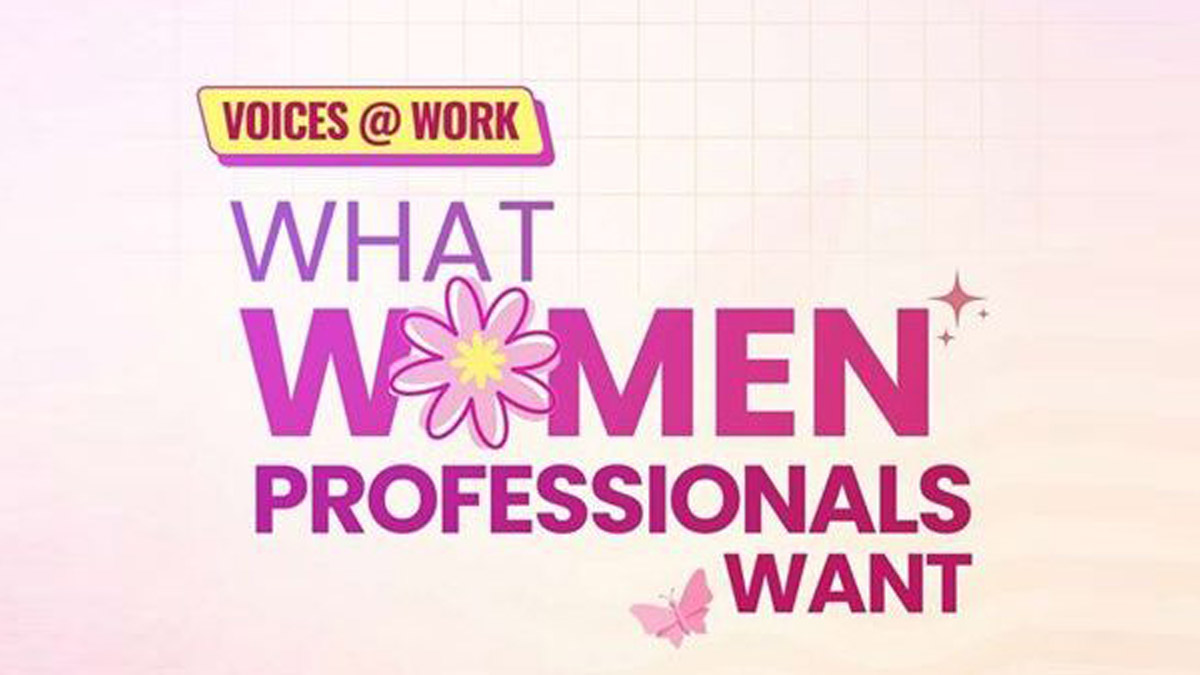
The findings come from the second edition of Naukri’s annual Voices @ Work International Women’s Day report, titled “What Women Professionals Want.” Drawing insights from more than 50,000 women across over 50 industries, the survey sheds light on evolving workplace aspirations alongside the biases that continue to hold women back.
One of the report’s most striking insights is the growing demand for equal pay audits. The share of women calling for regular pay parity checks has climbed to 27 per cent this year, up from 19 per cent a year ago. The demand now stands alongside menstrual leave as the most sought after workplace policy.
Interestingly, the call for pay transparency grows louder higher up the income ladder. Nearly half of women earning between Rs 50 lakh and Rs 1 crore annually say equal pay audits are a priority, suggesting that pay gaps become more visible as women move up the career ladder.
At the same time, confidence and ambition appear to be rising. About 83 per cent of women say they feel encouraged to pursue leadership roles, a significant jump from 66 per cent last year. Cities in southern India appear particularly supportive, with Hyderabad leading the way as 86 per cent of respondents there reported encouragement to step into leadership positions. The education sector recorded the highest sense of encouragement at 87 per cent.
Yet the report also highlights a growing trust deficit around pay equity. Nearly one in three women, or 33 per cent, say they do not believe men and women are paid equally at their workplace. That figure has risen from 25 per cent last year, pointing to widening perceptions of disparity as careers progress.
Bias in hiring and promotions continues to be the biggest hurdle. About 42 per cent of respondents say workplace bias is the main challenge for women from diverse backgrounds. The concern is consistent across major metros, with Chennai and Delhi NCR reporting similar levels.
Reluctance to discuss personal milestones during hiring processes is also widespread. While 34 per cent overall said they hesitate to share marriage or maternity plans in interviews, the anxiety increases with experience. Among professionals with 10 to 15 years of work experience, the figure rises to 40 per cent.
Info Edge group CMO Sumeet Singh, said the data reflects both progress and unfinished work. “Behind every data point in this report is a woman who is ambitious. The fact that 83 per cent feel encouraged to lead is something to celebrate. However, the fact that one in two still hide their marriage or maternity plans in interviews tells us the work is far from done. As India’s leading career platform, it felt not just important but necessary for us to shine a light on these gaps through the second edition of our report,” he said.
The report suggests that while ambition among women professionals is growing, structural changes around pay transparency, fair hiring and supportive policies will be key if workplaces hope to keep pace.