Brands
Tirumal Mannur promoted to director at Samsung India Electronics
Longtime Samsung executive steps up to drive strategy and growth in India

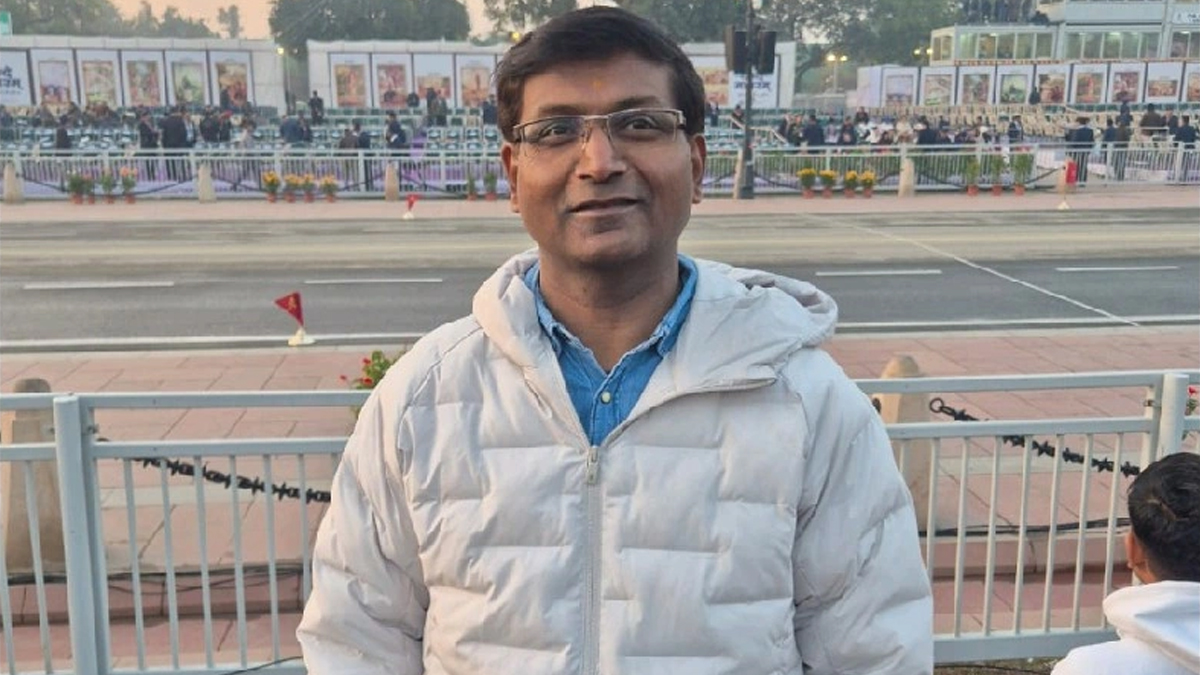
GURUGRAM: Samsung has turned to one of its longest-serving leaders in India for its next chapter of growth. Tirumal Mannur has been promoted to director at Samsung India Electronics, effective March 2026.
Based in Gurugram, Mannur will lead key strategic business units and help strengthen Samsung’s market leadership in the country. The role places him at the centre of the company’s efforts to sharpen its consumer electronics strategy and accelerate growth in one of its most important global markets.
Announcing the move, Mannur shared the news on LinkedIn, saying he was “happy to share” that he has started a new position as director at Samsung India Electronics Limited in Gurugram.

The promotion marks another milestone in Mannur’s long association with Samsung. He joined the company in 2009 and spent more than 16 years rising through the ranks, most recently serving as general manager.
Over the years, he has built deep expertise in consumer electronics, national sales and channel development, helping Samsung expand its footprint across India’s fast evolving electronics market.
Before joining Samsung, Mannur worked as national sales manager at TCL Electronics India. Earlier in his career, he held roles at LG Electronics, Whirlpool Co India Limited and Matsushita Air Conditioning India.
With more than two decades of experience across some of the biggest names in consumer electronics, Mannur now steps into the director’s role at a time when competition in India’s technology market is intensifying and demand for smart devices continues to surge.





Brands
Vodafone Idea elevates Vineeth Jayendranath as VP, marketing head Mumbai
Telecom marketer takes charge of Mumbai circle with growth and brand focus
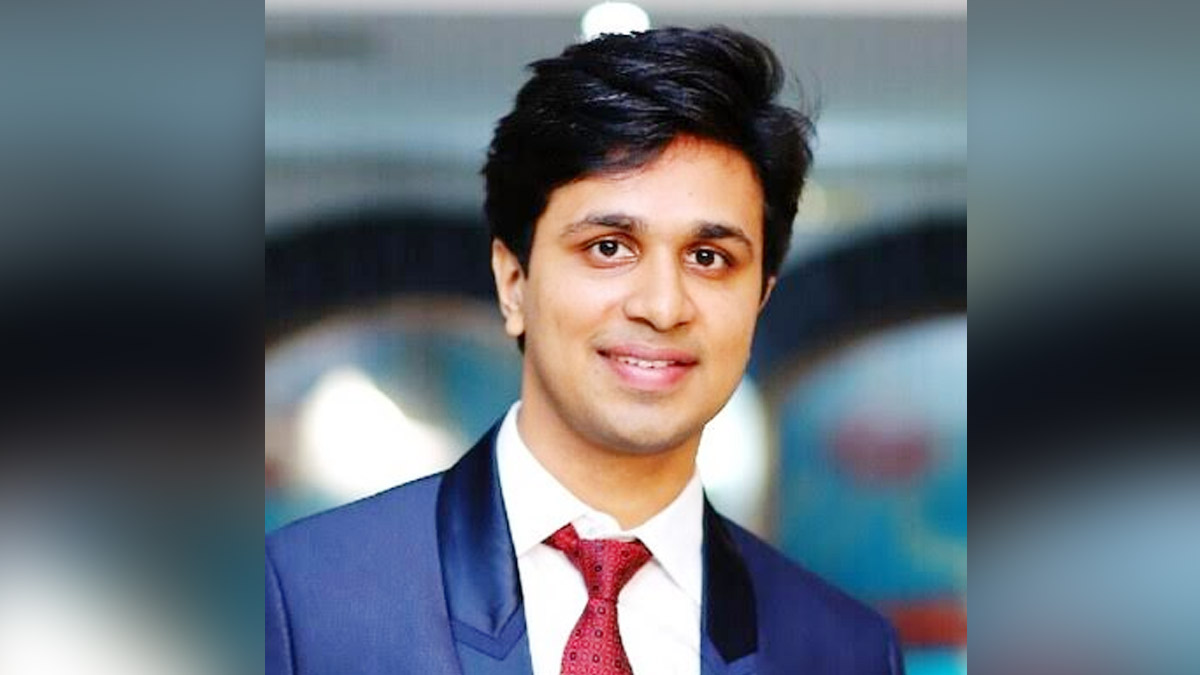
MUMBAI: Vodafone Idea Limited has promoted Vineeth Jayendranath to vice president, marketing head for the Mumbai circle, marking a key milestone in his career as the telecom operator sharpens its regional strategy.
In his new role, Jayendranath will lead marketing efforts across prepaid and postpaid segments in one of the country’s most competitive telecom markets. His mandate includes driving revenue growth, strengthening brand positioning, and deepening customer engagement, while also managing profit and loss responsibilities for the circle.
Sharing the update, Vineeth Jayendranath said, “Excited to share, I am starting my new stint as Vice President, Marketing Head for Mumbai circle at Vodafone Idea Ltd. Would like to thank everyone who has supported me in this journey.”
Jayendranath brings over 12 years of experience spanning telecom and IT, with a strong focus on customer value management and data-led marketing. Since joining Vodafone Idea, he has held multiple leadership roles, most recently serving as general manager leading customer value management and prepaid business across Gujarat, Maharashtra and Goa.
During this period, he handled large subscriber bases and multi-billion rupee revenue portfolios, while rolling out hyper-personalised campaigns and a “segment of one” strategy to improve customer retention and upgrades. He also championed a digital-first approach, pushing adoption of data services and unlimited plans through targeted, insight-driven initiatives.
Earlier, he worked with Idea Cellular Ltd in strategy and business intelligence roles, and began his career at Infosys as a systems engineer. A brief stint at Hyundai Motor India Ltd during his internship added early exposure to marketing strategy.
An alumnus of SVKM’s Narsee Monjee Institute of Management Studies, Jayendranath has steadily built a reputation for combining analytics with marketing execution.
His elevation comes as telecom players double down on circle-level strategies to stay competitive, and Vodafone Idea appears to be betting on data-backed marketing to keep Mumbai firmly in its corner.







