MAM
Sleepwell unveils nationwide sleep study on World Sleep Day
79 per cent use screens before bed, 36 per cent of 18–25-year-olds sleep ≤5 hours.

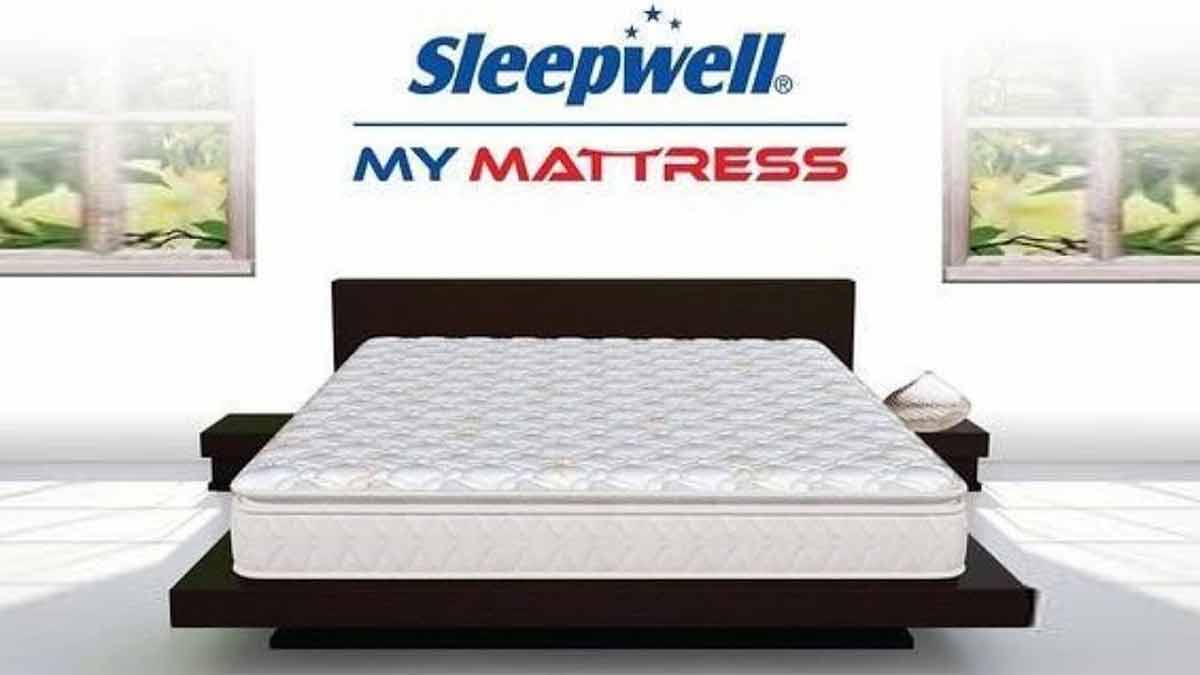
MUMBAI: Sleepwell just dropped the pillow truth bomb because when India’s sleeping less and scrolling more, even the mattress wants to stage an intervention. On World Sleep Day 2026, Sleepwell released its nationwide Sleep Study, painting a stark picture of India’s escalating sleep crisis. The findings show that 79% of Indians use screens right before bed, fuelling restless nights and drowsy days. Alarmingly, 36% of young adults aged 18–25 sleep five hours or less making them the country’s most sleep-deprived group.
The study also busts the myth of “catch-up sleep”, 65% of respondents actually sleep even later on weekends, pointing to increasingly irregular patterns that spill fatigue into the working week. Mattress discomfort emerged as a frequently overlooked culprit behind late-night wake-ups and constant leak-anxiety checks.
To drive the message home, Sleepwell’s CMO Puneet Gulati appeared on Zee Business, stressing that quality sleep isn’t a luxury, it’s foundational health. He highlighted how the right mattress can transform restless nights into restorative ones.

The brand doubled down with clever late-night activations, partnering with a quick-commerce platform to serve contextual ads between 11 pm and 3 am, gently nudging bleary-eyed scrollers to consider mattress discomfort as the reason they’re still awake and pointing them to the nearest Sleepwell store. Digital influencers and creators also shared relatable stories of how poor sleep fuels impulsive late-night behaviour.
In a nation that celebrates hustle but quietly pays for it in lost rest, Sleepwell isn’t just selling mattresses, it’s selling the radical idea that sometimes the bravest thing you can do is close your eyes and actually sleep well.






Digital
OpenAI drops Sora AI video tool, ends planned $1 billion Disney deal
Pivot to coding and AGI leaves media giant rethinking AI tie-up plans
CALIFORNIA: In a move that has sent ripples through both Hollywood and Silicon Valley, OpenAI has pulled the plug on its much-hyped AI video tool Sora, abruptly ending what was shaping up to be a landmark partnership with The Walt Disney Company.
According to media reports, the decision came with little warning. Teams from both sides had been working on a Sora-linked project when the shutdown was communicated, catching even those close to the collaboration off guard.
The fallout is significant. The move effectively scraps a proposed $1 billion, three-year agreement that would have seen Disney invest in OpenAI while opening up access to its vast library of characters for AI-generated short-form video content. The deal, however, had not been finalised and no funds had changed hands.
Sora, unveiled in early 2024, had dazzled the industry with its ability to generate cinematic-quality video from simple text prompts, triggering a wave of competing launches from AI players across the United States and China. Its sudden exit marks a sharp turn in OpenAI’s strategy.
The company is now redirecting its focus towards more commercially scalable areas such as coding tools, enterprise solutions and the long-term pursuit of artificial general intelligence. Internally, resources required to run the video model are understood to have weighed on other priorities, accelerating the decision.
Leadership roles are also evolving to match the shift. Sam Altman continues to steer the broader vision, while Fidji Simo’s remit has been realigned towards deploying AGI capabilities as part of a wider push to consolidate offerings into a unified platform.
For Disney, the setback is more strategic than financial. The company is said to be evaluating alternative ways to collaborate with OpenAI, even as it recalibrates its approach to generative AI in storytelling.
For the wider industry, the episode is a reminder that in the fast-moving world of artificial intelligence, even the most dazzling innovations can have a surprisingly short shelf life.








