MAM
How do Influencers perceive the ASCI code on Influencer advertising

Mumbai: The 14 June deadline for the Advertising Standards Council of India (ASCI) code on influencer advertising to be implemented is just around the corner, even as we reach out to some of the primary stakeholders- the social media influencers themselves. We share their take on the rules that will govern all their future branded collaborations (and already too), with creative content creators being popular and credible voices of society.
While most agree that the Influencer advertising guidelines released last month has transparency at its core to help customers discriminate between a paid content and an organic post, the underlying concern that emerged was whether the new code proposes to shift the onus (of falling foul of the law) on the content creators more than the brand.
To fully understand the implications of the guidelines on the fledgling Influencer marketing industry, it is only fair that we listen in to the influencer’s side- especially now that the deadline to implement the code looms large.

Indiantelevision.com spoke to some of the leading influencers from disparate genres like Fashion, Tech & Social satire to understand their thoughts on how they perceive the guidelines, whether they have started implementing them, and if they have noticed any changes in their traction or engagement.
Fashion & Beauty content creator Sakshi Sindwani, owner of the Instagram handle @stylemeupwithsakshi with over four lakh followers believes the guidelines will enable content creators to make an informed decision on the ‘what’ and ‘how’ of branded content, and relevance of collaborations. “However, there is a rider in terms of engagement,” she says, “It impacts the numbers. So, content creators and brands will have to go the extra mile to ensure that content is creative and integrated, rather than exclusive. Furthermore, creators will need to identify what makes their audience remain loyal.”
Comedy content creator & popular Social satirist Saloni Gaur @salonayyy aka Naazma Aapi aka ‘pados wali aunty’ and a plethora of other satirical characters, with 5.5 lakhs followers on Instagram says: “A few brands don’t like to put labels like paid promotion on your content, it reduces engagement and people don’t like to consume branded content.”
Known for her biting, humorous take on everyday issues and for calling a spade a spade, Saloni agrees that it makes sense from a consumer point of view as it is important to maintain transparency and authenticity. “While the labels might impact the viewership/ engagement, creators need to believe that at the core of creation lies relevant and organic content. And content is king! Creators hold the power in their hands to make it engaging and entertaining for the audience,” she adds.
According to Tech Blogger Shlok Srivastava aka Techburner, with 4.78 lakh followers on Instagram it is a step in the right direction, however, “the nuances of guidelines are not thought through for different platforms or genres.”
The guidelines define ‘influencers’ as those having access to an audience with the power to affect the purchasing opinion and decisions of the consumers. “Social media is a vast pool with so many creators. Some of them are sceptical about the implementation of these guidelines for the kind of content that they create. For instance, in a space like Tech or Auto, 90 per cent of the products are given by the brands for reviews owing to the credibility that we hold. So, if we label such content as paid or branded, it’ll create confusion amongst the audience and they’ll doubt our authenticity which will destroy the whole purpose of establishing regulations,” says Srivasatava.
Pulp Strategy founder & MD Ambika Sharma says, the reception to the reining in by ASCI has been a mixed bucket. While most Influencers understand that the move is a positive one, they have concerns around the impact it would have.
“We are currently working with over three dozen influencers for different campaigns, the sentiment is mostly positive. There is a lack of awareness and we are building compliance alongside campaign execution,” she says.
IPLIX Media co-founder Neel Gogia states that as with every new initiative a debate is necessary to create a sustainable solution.
“The lines are a little blurred. For instance, a non-monetary association under which an influencer shares an unbiased product review will be labelled as an Ad, leaving consumers in a tough spot. This will be difficult to implement for a tech or an auto influencer as they cannot buy every product for review as they are of high monetary value, and in fact, not all the reviews are positive as well so they cannot be labelled as an Ad,” he says.
Furthermore, Gogia says that the current recommendations might not be aligned with the objective of organic and value-added content creation with genuine product integration. “For a YouTube content creator with long-format vlogs labeling the entire integration section as an Ad will lead the audience to ignore the content even if it is adding value to them”, he adds, saying that we will just have to wait and watch how this unfolds.
In recent times, a significant portion of the marketing budget of brands or businesses is allocated to social media advertising. Influencer marketing has witnessed a surge in India, especially in the pandemic period. Nielsen studies have shown that home-bound consumers during the pandemic have led to a 60 per cent spike in the amount of video content watched globally.





MAM
How beverage brands are rethinking marketing strategies for weather-led demand
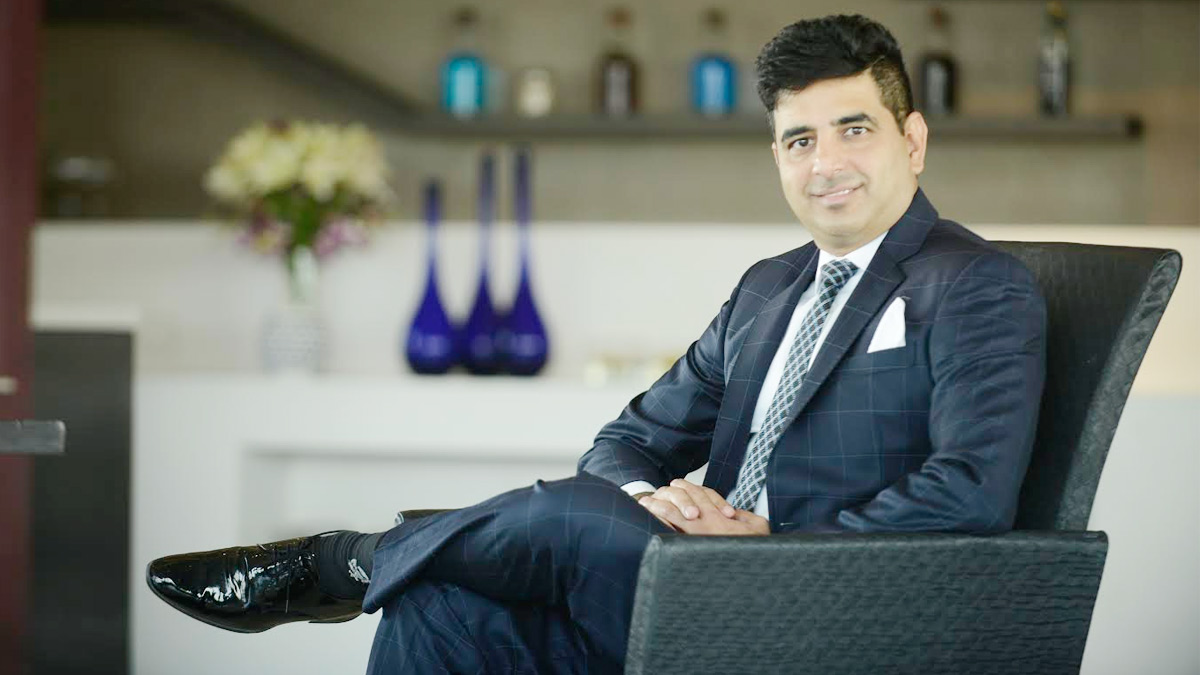
SLMG Beverages Private Limited joint managing director Paritosh Ladhani.
MUMBAI: As Sun climbs up the hemisphere, summer has clearly arrived in India. On 7th March 2026 Delhi registered a maximum temperature of 35.7 degrees Celsius which is the highest reading logged for the first week of March in the last 50 years. Climate Change has been prolonging summers by causing earlier spring warming, delayed autumn cooling, and more frequent, intense heatwaves that persist for much longer periods.
In an endeavor to stay ahead of the curve, Beverage Brands are shifting from fixed seasonal marketing tactics to weather responsive strategies backed by data-driven insights, flexible campaigns, and diversified portfolios to capitalize on unruly temperature spike. In 2025, India’s beverage market experienced a massive, heat-triggered surge with carbonated drinks and ice cream volumes spiking 20–25 per cent in the March quarter itself on the back of hottest February in 125 years.
Clearly campaign timelines are being advanced to reap the seasonal shift in line with the jumping mercury. In the Indian context where Cricket is nothing short of religion, big ticket tournaments like T20 World Cup, Indian Premier League, ICC Champions Trophy provide plethora of opportunities to calibrate marketing campaign designs and associated business strategies to associate refreshment with community viewing both outdoor and indoors. A new trend that has taken the world by storm is that of booking the theatres for bonhomie viewing. It has also opened avenues for joint marketing initiatives by the Multiplex and Beverage Brands.
Price disrupting small potions and value packs tend to drive significantly higher volumes owing to volumetric flexibility and affordability to the consumers. Ramping up of cold supply chains for transit and at point of sales (POS) are strategic business imperatives that again define success of beverage brands.
In the era of AI and Big Data it is easy to track and calibrate messaging based on daily or weekly weather changes. Geo-targeted digital advertisement campaigns are also being run during heatwaves to make the business and marketing imperative very contextual. These pre-emptive strategies fueled by real time data and technology immensely help beverage brands to adjust supplies to the areas that are likely to generate more demand.
Novelty brings premium to the FMCG Sector and Beverage Brands are no exception. Newer SKUs build up excitement in consumers besides imparting the scope of frequent revitalization of brand marketing campaigns. Ensuring continuum of supply chain across material suppliers, logistics providers, distributors/wholesalers, and retailers become a strategic business strategy imperative for beverage brands during peak season.
Carbonated drinks among other beverages including packaged mineral water sell like hotcakes in summers, a period where holiday season gives big impetus to sales volumes. Tying up with air carriers railways, amusement parks, malls, convention centers for inclusion in the onboard beverage deck also holds a big window of opportunity for brands.
Limited period diversification into special summer categories entailing juices and functional beverages to capture the broader hydration market is also a business cum marketing imperative that beverage brands eye on. This also brings to fore the responsible side of the brand placing the compass on wellness of consumers.
Seasons are cyclic, hence summers are inevitable. Further, due to anthropogenic climate change, summers surely have been staging prolonged appearance that keep bringing beverage brands on to their drawing boards frequently for strategizing business and marketing campaigns that are agile, refreshment-focused, visually dominant in retail, affordable, and optimally promoted through seasonal campaigns in above and below the line media.








