MAM
Flynas launches AI-powered ‘Find My View’ seat selector
Saudi low-cost carrier lets passengers choose flight views using predictive AI and real passenger photos.

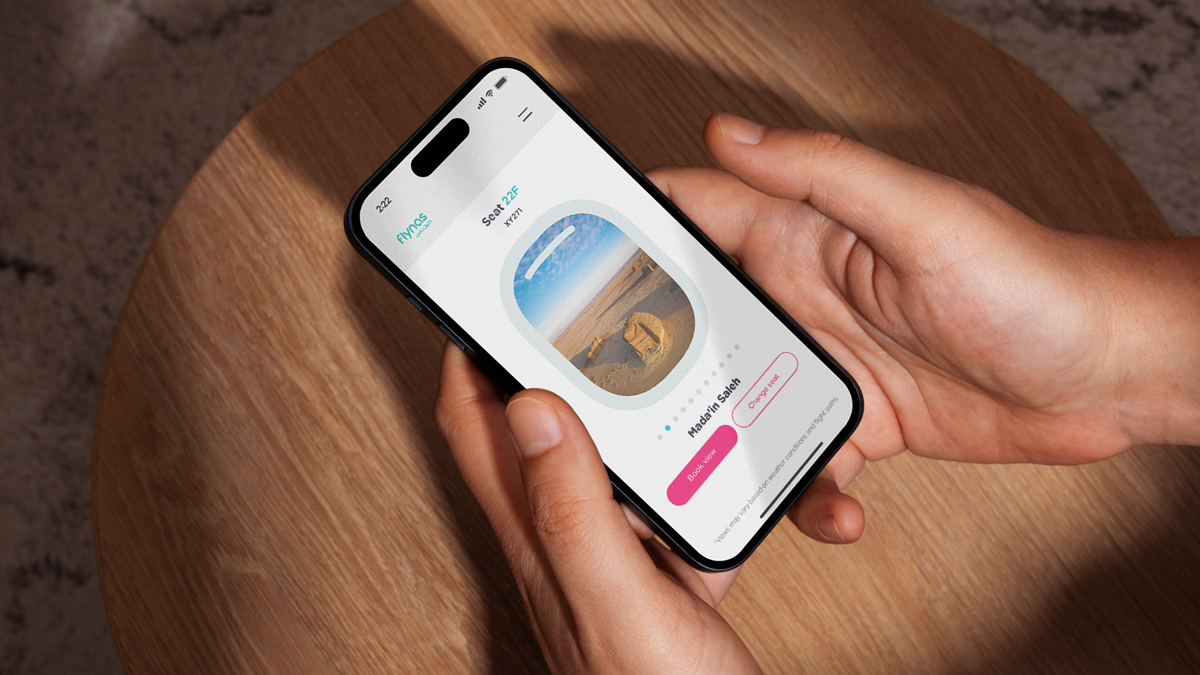
MUMBAI: Flynas just turned window seats into VIP tickets because why leave the best views to chance when AI can hand you the front-row panorama? The Saudi low-cost airline has rolled out ‘Find My View’, billed as the world’s first intelligent, AI-driven seat selector that lets passengers pick their preferred in-flight scenery before booking. Launched on 24 February 2026 in partnership with VML Riyadh, the feature analyses flight paths, direction, time of day, and weather to predict iconic sights cloud-hugging mountains, coastline flyovers, golden-hour skylines, and famous landmarks from either side of the plane.
Instead of the usual seat-number lottery, travellers browse authentic photos snapped by previous passengers on the same routes, creating a living gallery of real views that builds trust and excitement long before takeoff. The experience stays seamless, users simply decide what they want to see, and the system suggests seats accordingly.
Flynas head of marketing and branding Yara AlMashharawi said, “’Find My View’ completely redefines what it means to choose a seat on a plane. Instead of hoping you picked the right side of the aircraft, you deliberately choose the view you want, powered by AI.”

VML Riyadh executive creative director Firas Ghannam added, “The ambition was to turn a functional choice into an emotional one by combining data, AI technology and creativity in a way that reimagines the humble seat map.”
For a low-cost carrier serving key Indian hubs New Delhi, Mumbai, Hyderabad, Lucknow, and Calicut with direct flights to multiple Saudi destinations, the tool levels the playing field: premium views no longer require premium fares. Passengers can explore routes and try the selector at findmyview.com.
In an industry where the journey is often an afterthought, flynas is betting that a curated sky show can turn every flight into a shareable moment proving that sometimes the best part of travel isn’t just getting there, but what you see on the way.

MAM
India’s employability gap persists despite strong hiring intent
Only 1 in 5 institutions achieve 76 to 100 per cent placements within six months of graduation.
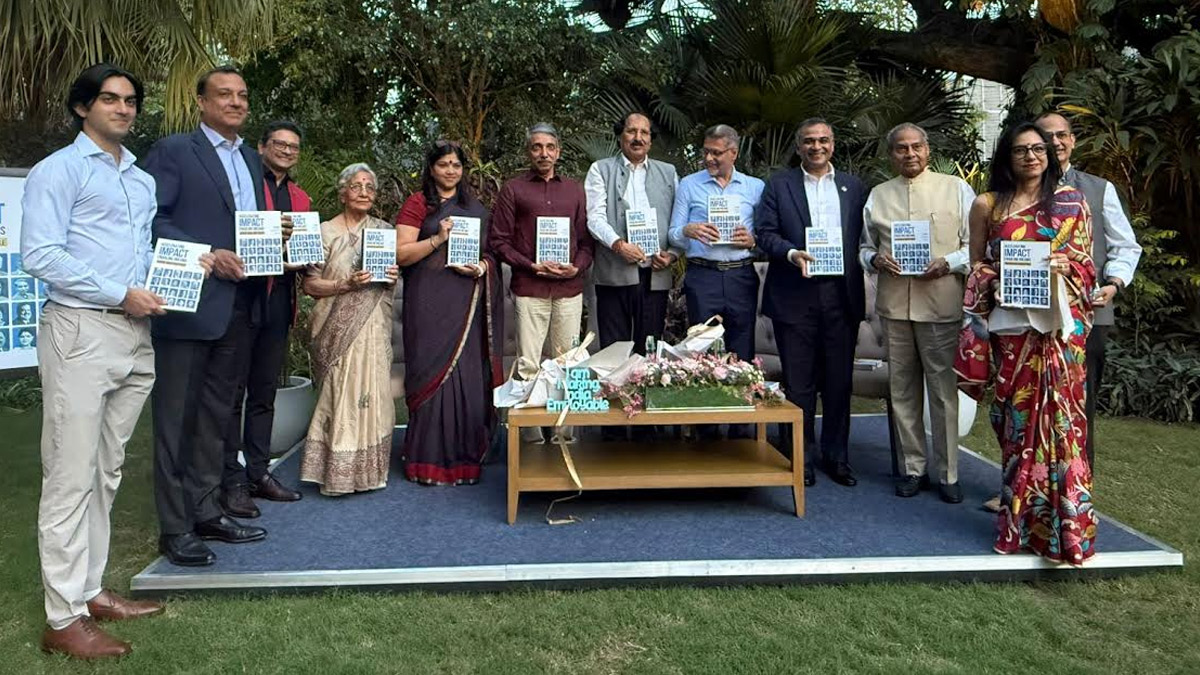
MUMBAI: India’s young workforce is ready in numbers, but the real question is whether they are ready for work and senior leaders from industry, academia and policy gathered in Delhi to find practical answers. A closed-door roundtable hosted by Vaishali Nigam Sinha, co-founder of Renew, brought together key voices to discuss actionable solutions for bridging the persistent employability gap. The session highlighted that while job opportunities are expanding, the alignment between education and industry needs remains a critical challenge.
According to Teamlease EdTech’s Career Outlook Report HY1 2026, 73 per cent of employers plan to hire freshers in the first half of 2026, signalling steady recovery in entry-level hiring. However, employers are shifting focus from mere qualifications to demonstrable capability, placing greater value on internships, live projects and proof-of-work.
Teamlease Edtech, founder and CEO Shantanu Rooj emphasised the need for better alignment, “India’s employability challenge is no longer about access alone, but about alignment between education and work. Employers are increasingly relying on demonstrable capability such as internships, projects, and applied learning as indicators of readiness.”
Vaishali Nigam Sinha stressed the importance of execution over intent, “India has both the talent and the opportunity. What is needed now is alignment. We have to move from intent to execution by embedding employability into the system itself.”
Other prominent speakers included Dr Chenraj Roychand, Chancellor of Jain (Deemed-to-be) University, who called for universities to evolve from degree providers to ecosystem enablers, Prof M. Jagadesh Kumar, Chairman of the Board of Governors at IIM Calcutta, who highlighted the need for flexibility and multidisciplinary learning, and Dr T.N. Singh, Director of IIT Patna, who advocated deeper industry engagement through research and experiential learning.
The discussion also drew insights from the book Accelerating Impact. Enabling Dreams – Making India Employable by Shantanu Rooj and co-authors, which features contributions from leaders like Kiran Mazumdar-Shaw, Dr Krishnaswamy Kasturirangan and Gurudev Sri Sri Ravi Shankar.
During the event, Teamlease Edtech Foundation launched Project SEED, a national initiative aimed at bridging the education-employability gap for underserved youth. The project focuses on early intervention at the school level to guide students towards informed career choices and work-integrated pathways.
With only 16.67 per cent (1 in 5) of institutions achieving 76–100 per cent placements within six months of graduation, the conversation made one thing clear, India’s demographic dividend will deliver real value only when education and employability walk hand in hand. The gathering served as a timely reminder that the future of India’s workforce depends not just on creating more jobs, but on preparing young people far better to seize them.






