Brands
The Tata group and Starbucks Coffee Company strengthen partnership

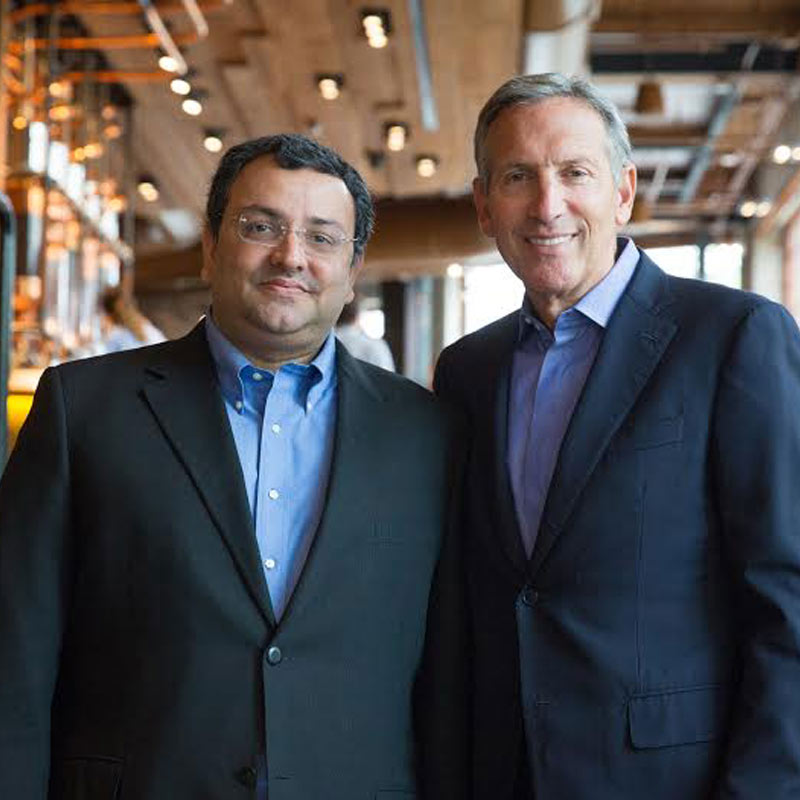
MUMBAI: In a meeting at Starbucks Reserve® Roastery and Tasting Room in Seattle, Washington, chairman and chief executive officer of Starbucks Coffee Company, Howard Schultz, and chairman, Tata Sons Limited, Cyrus Mistry, announced multiple new joint initiatives , which expand the existing Tata and Starbucks relationship and strengthen the companies’ commitment to developing the Tata-Starbucks brand and building a different kind of company in India.
For the first time, Starbucks will offer a single-origin coffee from India in the U.S., giving customers from outside the country a unique opportunity to experience a rare, small-lot coffee from the Tata Nullore Estates located in the beautiful Coorg coffee growing area of India. Starbucks Reserve® Tata Nullore Estates will be the first coffee from India to be roasted at the Starbucks Reserve® Roastery and Tasting Room and will only be available at this Seattle location later this year.
“These announcements build upon the incredible success and shared values between Starbucks and Tata in our partnership in India,” said Schultz. “We are humbled by the way in which customers in India have embraced Starbucks elevated coffeehouse experience, which now spans to more than 80 stores across six cities. As we continue on our journey with Tata, we are delighted to introduce the finest coffee from India to a new audience. Starbucks Reserve® Tata Nullore Estates, the first ever Starbucks Reserve® coffee sourced exclusively from India, highlights the deep coffee heritage and expertise of both companies to source, roast and distribute the finest-quality arabica coffees and elevates the story of India coffee for our customers.”

Starbucks also announced plans to increase its coffee roasting capacity for supplying its stores in India and, over time, select markets around the globe. Since Tata Coffee Limited opened its doors to a roasting and packaging plant in Kushalnagar in Coorg, Karnataka, in 2013, this facility has steadily increased its roasting capabilities. Today, it roasts Starbucks® India Estates Blend and Espresso Roast coffees and will soon expand to include both Kenyan and Sumatran coffees for Starbucks stores throughout India. This builds upon Tata and Starbucks commitment to cultivate a future supply of high-quality, sustainable green coffee from existing and potential sources in India through world-class agronomy practices.
“We are proud to work with Starbucks, a company which shares our commitment to both the coffee growing regions and the coffee farmers to ensure we meet the global demand for high-quality coffee over the long-term,” said Mistry. “Our journey with Starbucks since 2012 has been gratifying and we are pleased to build on the strong relationship between Starbucks and the Tata group as we continue to further advance Indian coffee around the globe. We are honored to be sourcing the finest Indian coffee and introducing Starbucks customers outside India to its quality for the first time.”






Brands
YES Bank appoints S Anantharaman as chief risk officer
Former Jio Financial Services group chief risk officer takes charge of enterprise-wide risk at the embattled private lender
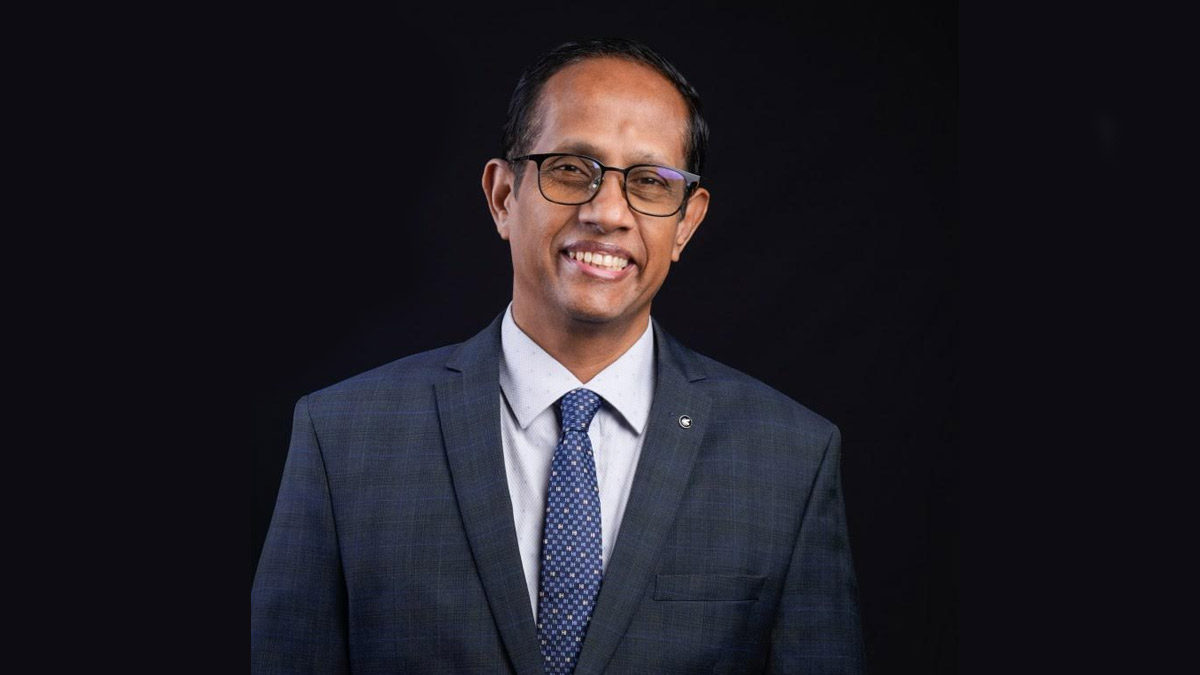
MUMBAI: YES Bank is not taking chances with risk anymore. The private lender has appointed S Anantharaman as its chief risk officer, a hire that signals the bank’s continued effort to rebuild credibility and tighten the controls that once famously slipped.
Anantharaman arrives from Jio Financial Services, where he served as group chief risk officer and built a risk management architecture spanning lending, payments, insurance broking and asset management from the ground up. Before that, he held the chief risk officer role at Bank of Baroda and senior leadership positions at HDFC Bank and L&T Finance Holdings. Three decades in banking and financial services, in other words, with scars and qualifications to match. He is a chartered accountant and a CFA charterholder.
At YES Bank, his brief is considerable. Anantharaman will oversee the bank’s entire enterprise-wide risk framework, covering credit policy, market risk, operational risk, information security, data governance, analytics, model governance and data privacy. It is, in short, every lever that matters when a bank is trying to prove it has grown up.
YES Bank’s turbulent past needs little rehearsing. What it needs now is exactly what Anantharaman has spent thirty years building: the kind of risk culture that stops problems before they become headlines. The appointment suggests the bank knows it.






