MAM
Sociowash and Zomato join forces to showcase the Gold Dining Carnival campaign

Mumbai: Sociowash, an integrated advertising agency, executed a satirical influencer video-led campaign in association with Zomato, for the ongoing Zomato Gold Dining Carnival. The campaign started on 22 April and highlighted the common pain points experienced by customers, such as long queues, saving on dining bills and difficulty in securing seats. The campaign featured some of the top actors and influencers in the industry.
Sociowash’s scope of work involved supporting the production of the campaign. Drawing upon its expertise in influencer marketing, Sociowash capitalized on the USP, location and audience of actors and influencers like Jim Sarbh, Mallika Dua, Gagan Arora, Mithila Palkar, Ankush Bahuguna, Danish Sait and Ahliya to produce compelling content.
Zomato’s creative team conceptualised and scripted unique stories for each actor and influencer. The stories were developed in a manner that allowed for the actors and influencers to deliver the campaign message in their idiosyncratic, individual styles (including customization of Mithila’s famous The Cup Song).

Sociowash co-founder Raghav Bagai said, “Associating with Zomato and its creative team on this campaign has been an extremely fruitful experience. This association helped create a tongue-in-cheek campaign that showcases the platform in a fresh and unique style. Zomato’s trust in the process equipped us to take a full swing and tickle the hearts of the viewers through captivating yet quirky storytelling style of execution.
Commenting on the campaign, Zomato creative head Sidhant Mago said, “This campaign generated an incredible buzz, with actors and influencers spreading the word about booking seats for the event. The idea was to create content that looked organic and fun.”

MAM
India’s employability gap persists despite strong hiring intent
Only 1 in 5 institutions achieve 76 to 100 per cent placements within six months of graduation.
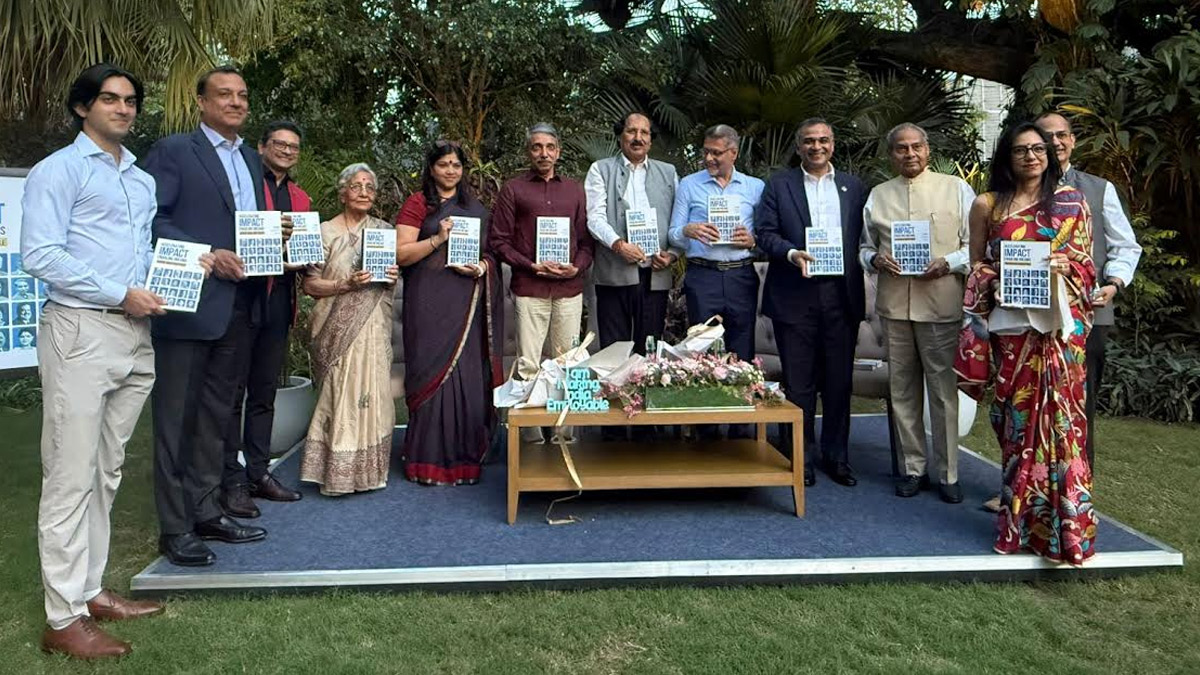
MUMBAI: India’s young workforce is ready in numbers, but the real question is whether they are ready for work and senior leaders from industry, academia and policy gathered in Delhi to find practical answers. A closed-door roundtable hosted by Vaishali Nigam Sinha, co-founder of Renew, brought together key voices to discuss actionable solutions for bridging the persistent employability gap. The session highlighted that while job opportunities are expanding, the alignment between education and industry needs remains a critical challenge.
According to Teamlease EdTech’s Career Outlook Report HY1 2026, 73 per cent of employers plan to hire freshers in the first half of 2026, signalling steady recovery in entry-level hiring. However, employers are shifting focus from mere qualifications to demonstrable capability, placing greater value on internships, live projects and proof-of-work.
Teamlease Edtech, founder and CEO Shantanu Rooj emphasised the need for better alignment, “India’s employability challenge is no longer about access alone, but about alignment between education and work. Employers are increasingly relying on demonstrable capability such as internships, projects, and applied learning as indicators of readiness.”
Vaishali Nigam Sinha stressed the importance of execution over intent, “India has both the talent and the opportunity. What is needed now is alignment. We have to move from intent to execution by embedding employability into the system itself.”
Other prominent speakers included Dr Chenraj Roychand, Chancellor of Jain (Deemed-to-be) University, who called for universities to evolve from degree providers to ecosystem enablers, Prof M. Jagadesh Kumar, Chairman of the Board of Governors at IIM Calcutta, who highlighted the need for flexibility and multidisciplinary learning, and Dr T.N. Singh, Director of IIT Patna, who advocated deeper industry engagement through research and experiential learning.
The discussion also drew insights from the book Accelerating Impact. Enabling Dreams – Making India Employable by Shantanu Rooj and co-authors, which features contributions from leaders like Kiran Mazumdar-Shaw, Dr Krishnaswamy Kasturirangan and Gurudev Sri Sri Ravi Shankar.
During the event, Teamlease Edtech Foundation launched Project SEED, a national initiative aimed at bridging the education-employability gap for underserved youth. The project focuses on early intervention at the school level to guide students towards informed career choices and work-integrated pathways.
With only 16.67 per cent (1 in 5) of institutions achieving 76–100 per cent placements within six months of graduation, the conversation made one thing clear, India’s demographic dividend will deliver real value only when education and employability walk hand in hand. The gathering served as a timely reminder that the future of India’s workforce depends not just on creating more jobs, but on preparing young people far better to seize them.






