iWorld
YouTube introduces budget-friendly TV packages in US
The move aims to attract cord-cutters and redefine the traditional cable model.


CALIFORNIA: YouTube is performing some digital surgery on the traditional cable bundle, carving out smaller, cheaper packages for viewers who are tired of paying for channels they never watch. According to a report by Bloomberg, the tech titan is set to launch a range of skinny bundles, including a dedicated sports plan priced at $65 per month.
For those who live for the weekend whistle but couldn’t care less about reality TV, the new sports-only tier offers a significant win. At $65, it sits roughly 22 per cent cheaper than the standard $83 YouTube TV everything buffet.
This plan isn’t just a rehash of old cable; it will blend major broadcast networks with select sports content that was once the exclusive territory of niche streaming platforms. And this isn’t just a one-off play for the stadium crowd. YouTube is reportedly prepping more than 10 different bundles themed around:
Live sports: The heavy hitters and broadcast staples.
Breaking news: For the headline junkies.
Entertainment: Strictly for the drama and comedy fans.
YouTube CEO Neal Mohan took to X to champion the move, stating that the new structure is designed to give consumers more “choice and control” over their screens.

Traditionally, media moguls have guarded the big bundle like a dragon guarding gold. They preferred forcing viewers to buy a hundred channels just to get the five they actually wanted. However, the tide is turning. According to research firm MoffettNathanson, traditional TV companies have lost more than 30 million customers over the last 10 years.
YouTube TV has been the primary beneficiary of this exodus, now boasting more than 10 million subscribers. This makes it the third-largest TV distributor in the US, trailing only behind industry veterans Charter and Comcast.
While YouTube is famous for its free cat videos, its paid-for side is becoming a financial powerhouse. According to the company, subscription revenue (including YouTube Premium) now rakes in roughly $20 billion annually. When you add the advertising juggernaut into the mix, the total video business is worth upwards of $60 billion.
By offering more targeted, affordable bundles, YouTube is not only catering to niche audiences but also accelerating the shift away from bloated cable packages. With a growing subscriber base and a rapidly expanding paid ecosystem, the company is positioning itself as a dominant force in the evolving TV landscape, proving that even in the age of cat videos, YouTube knows how to play the game when it comes to serious entertainment and sports.







iWorld
Karnataka to ban social media for children under 16; Meta warns of risks
Meta urges parental oversight over blanket bans as debate on child online safety grows
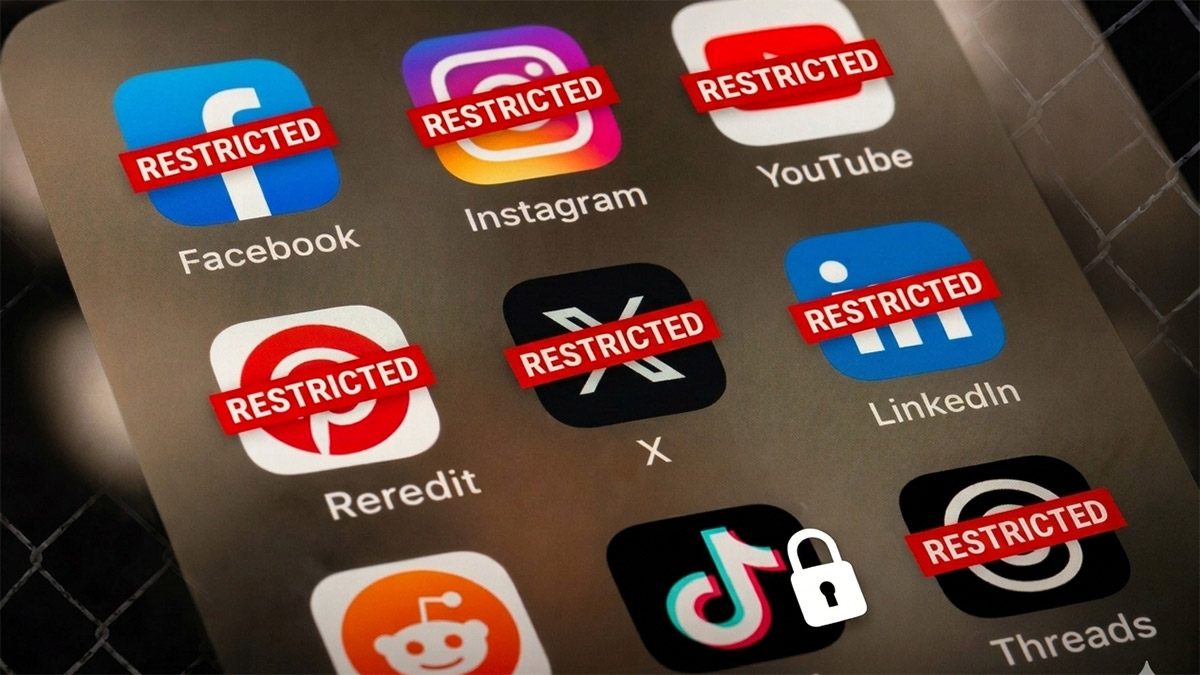
KARNATAKA: Karnataka may bar children under 16 from accessing social media platforms, chief minister Siddaramaiah said on Friday while presenting the state budget. This marks the most definitive move yet by an Indian state to regulate young users online.
The proposal aims to limit the harmful effects of excessive mobile and social media use among children, the chief minister said, amid growing concerns about screen addiction and mental health.
If implemented, Karnataka would become the first state in India to formally move towards a ban on social media access for minors under 16. Other states, including Andhra Pradesh and Goa, have previously said they were examining similar measures.
The idea has been under discussion within the state government for months. Earlier this year, state minister for information technology and biotechnology Priyank Kharge, told the legislative assembly that the government was studying ways to ensure responsible use of artificial intelligence and social media by young users.
Health minister Dinesh Gundu Rao has also raised concerns about excessive screen exposure among children. Meanwhile, BJP MLA and former minister Suresh Kumar urged the government to treat the issue seriously, warning that unrestricted social media use could affect both education and family life.
Siddaramaiah had previously discussed the issue with university vice-chancellors as well, seeking their views on restricting mobile phone use among children under 16.
Karnataka’s proposal comes amid a widening global debate over children’s access to social media.
Countries such as Australia have introduced stricter limits on younger users, while governments in the United Kingdom and Finland have also been exploring regulatory safeguards.
In parts of Europe, including France and Spain, schools have imposed restrictions on smartphone use in classrooms to reduce distraction and improve student focus.
Policymakers worldwide are increasingly concerned about the impact of social media algorithms, digital addiction and online risks on minors.
India’s Economic Survey 2025–26 also flagged excessive smartphone use among young people, linking it to sleep disruption, anxiety, reduced attention spans and rising academic stress.
Experts say the dangers extend beyond simple screen addiction.
Cybersecurity specialists warn that children often share personal information online without understanding privacy implications. Social media platforms, gaming apps and messaging services routinely collect location data, behavioural patterns, voice samples and browsing habits, creating digital profiles that could later be misused for surveillance, identity theft or targeted manipulation.
Online grooming is another growing concern. Law enforcement agencies globally have warned that predators increasingly use social media, gaming chats and messaging platforms to gain the trust of minors before exploiting them.
Artificial intelligence is also complicating the landscape. AI-powered recommendation systems and chatbots can keep children engaged for long periods while collecting behavioural data. In some cases, experts say these systems may inadvertently expose young users to harmful content.
Technology companies, however, argue that outright bans may not be the most effective solution.
Responding to the proposal, Meta said governments should prioritise parental oversight rather than blanket restrictions.
A Meta spokesperson said the company shares the goal of creating safer online experiences for young users but believes parents should ultimately decide which apps their teenagers use.
“We want the same thing as lawmakers: safe, positive online experiences for young people and believe parents should decide which apps their teens use,” the spokesperson said.
The company warned that sweeping bans could push teenagers towards less regulated websites or workarounds that bypass existing safety protections.
“Governments considering bans should be careful not to push teens toward less safe, unregulated sites, or logged-out experiences that bypass important protections,” the spokesperson added, pointing to safeguards such as Instagram’s Teen Accounts.
Meta also argued that focusing on a handful of platforms may not address the broader issue, noting that teenagers typically use dozens of apps each week. Experts say blanket bans may prove difficult to enforce in practice. Young users could circumvent restrictions through virtual private networks, anonymous accounts or lesser-known platforms that operate outside major regulatory frameworks.
Because digital platforms also provide access to educational resources, coding communities and creative opportunities, policymakers are increasingly exploring a middle path. That approach combines age-based safeguards, stronger privacy protections, parental supervision and digital literacy programmes instead of outright bans.




