iWorld
Meta shutters standalone Messenger website from April 2026
Desktop chats redirect to facebook.com/messages, mobile app remains unaffected for web-independent users.


MUMBAI: Messenger’s web independence is signing off proving that even in the digital age, some chats just can’t escape the Facebook family reunion. Meta has confirmed it will pull the plug on messenger.com as a standalone site starting April 2026, automatically redirecting desktop visitors to facebook.com/messages to keep conversations flowing. The update, posted on the company’s help pages and first spotted by reverse engineer Alessandro Paluzzi, comes with pop-up notifications on both the Messenger site and app.
The change follows Meta’s earlier retirement of the dedicated Messenger desktop apps for Windows and Mac, which already funnelled users to Facebook’s web interface. For those who’ve deactivated their Facebook accounts but still use Messenger via browser, the move shrinks options further leaving only the mobile app as a lifeline. Chat history stays safe through the secure backup PIN process (with a reset option if forgotten), but web access without a Facebook login is effectively over.
This is the latest twist in Messenger’s long identity crisis. Born as Facebook Chat in 2008, it spun off into a standalone app in 2011 and got fully separated from the main Facebook mobile app in 2014 to boost its own adoption. Yet the pendulum has swung back, since 2023, Facebook has been quietly reintegrating Messenger features into its core platform, slowly dissolving the walls between the two.

Meta frames the shift as a streamlining move consolidating messaging under one roof to simplify infrastructure and user experience. But for the corner of users who preferred Messenger’s lighter, less Facebook-tied web version, it’s a step that feels more like consolidation than convenience.
Whether you’re a die-hard desktop chatter or just someone who logs in occasionally, the message is clear: in Meta’s world, going solo online is becoming a relic. From April 2026, if you’re on a computer, expect the redirect and perhaps a gentle nudge back toward the full Facebook fold.







Gaming
Sony raises PS5 prices for second time in under a year
US disc edition jumps $100 to $649.99 as memory costs surge.
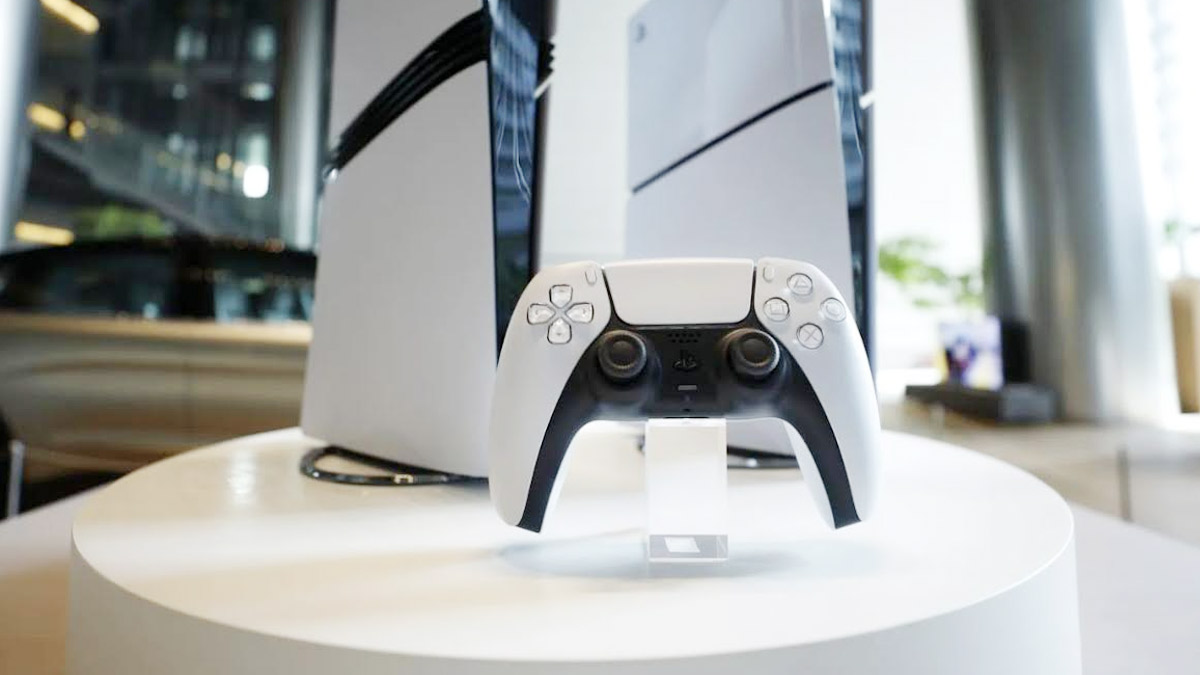
MUMBAI: Sony just hit the pause button on affordable gaming because when memory prices skyrocket, even the Playstation has to pay the premium. Sony has announced its second price increase for the Playstation 5 range in less than a year, citing pressures in the global economic landscape and a sharp rise in memory component costs driven by AI demand.
In the US, the PS5 disc edition will rise from $549.99 to $649.99, a $100 hike while the digital edition increases to $599.99. The more powerful PS5 Pro will jump $150 to $899.99. The Playstation Portal remote player will also rise by $50 to $249.99. The new prices take effect on 2 April 2026.
Similar increases have been applied in the UK (£90 per model), Europe and Japan. Sony last raised PS5 prices in the US in August 2025.
“We know that price changes impact our community, and after careful evaluation, we found this was a necessary step to ensure we can continue delivering innovative, high-quality gaming experiences to players worldwide,” Sony said in a blog post.
The hikes come amid an unprecedented surge in memory prices, as manufacturers prioritise supply for AI data centres. Analysts say Sony had likely secured price protections for components that have now expired, forcing the company to protect its hardware margins.
Ampere Analysis research director of games Piers Harding-Rolls told CNBC that further increases from Microsoft and Nintendo would not be surprising, though Nintendo may hesitate to raise the price of its recently launched Switch 2 while establishing the new platform.
The increases arrive eight months before the highly anticipated release of GTA 6, which is expected to drive strong console sales. However, early reactions online have been a mix of disappointment and resignation, with growing concern that premium gaming is increasingly becoming a hobby for higher-income players.
In a sector already grappling with tariffs, inflation and component shortages, Sony’s move underscores a tough reality: even the most popular consoles are not immune to the rising cost of keeping up with the latest technology.








