iWorld
Hansal Mehta returns to food TV with AI-powered series ‘Khana Dil Se’
New show explores India’s culinary heritage through artificial intelligence.


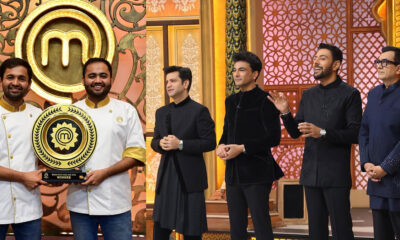
MUMBAI: Hansal Mehta just added artificial intelligence to his kitchen because three decades after Khana Khazana made cooking a national obsession, he’s back to stir the pot with a smarter sous-chef. Collective Studios has partnered with True Story Films, founded by filmmaker Hansal Mehta and producer Sahil Saigal, to announce Khana Dil Se – An AI Journey Through India’s Kitchen. The upcoming episodic series uses artificial intelligence not merely as a visual tool but as a collaborator to trace the country’s vast culinary traditions, stories of migration, memory and identity embedded in recipes passed down through generations.
The project marks Mehta’s return to the food genre where he first made his name in the early 1990s with the groundbreaking cookery show Khana Khazana, which turned Chef Sanjeev Kapoor into a household name. Joining him is Indian MasterChef Shamsher Ahmed as subject matter expert and culinary consultant, bringing decades of expertise across regional Indian cuisines to ensure authenticity.
Collective Artists Network, founder and group CEO Vijay Subramaniam said, “India’s culinary traditions are among the richest cultural archives in the world, yet so many of these stories remain undocumented. Khana Dil Se brings together creators, filmmakers, and technologists to surface those stories in a way that hasn’t been attempted before.”

Hansal Mehta remarked, “Food is memory. When you cook something from another culture, you’re not just following a recipe, you’re stepping into a piece of someone else’s life. With Khana Dil Se, we want to use every tool available to us, including AI, to trace those stories before they disappear.”
Producer Sahil Saigal added, “Khana Dil Se gave us a chance to ask what food television could look like if AI were part of the process, not replacing the human story, but helping us reach deeper into it.”
The series is expected to blend immersive storytelling with AI-driven insights to uncover undocumented culinary traditions and follow the journeys of dishes as they have travelled and transformed across communities and centuries.
In a television landscape where recipes often stay surface-level, Hansal Mehta is serving up something far more substantial, a smart, soulful exploration of India through its kitchens, proving once again that the best stories aren’t just cooked, they’re remembered, shared, and now, intelligently rediscovered.





iWorld
Asha Bhosle, the unforgettable voice that sang a thousand emotions
The melody that defined generations has fallen silent, but her songs will echo forever.
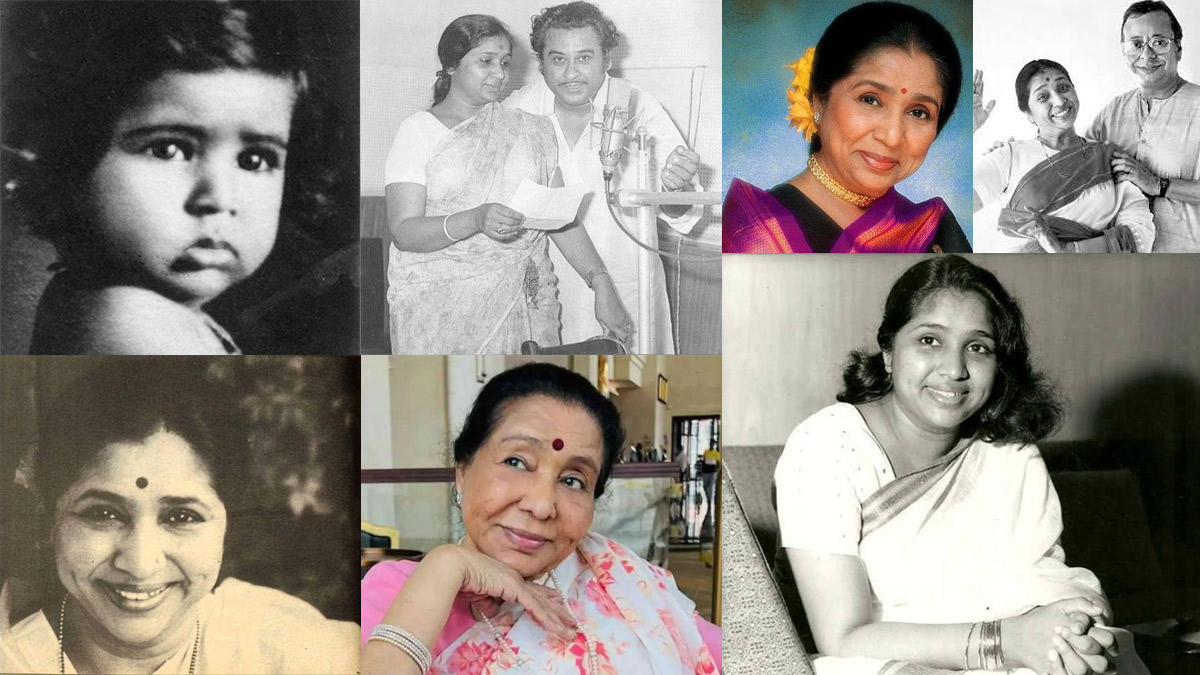
MUMBAI: The voice that once lit up countless silver screens and brought rhythm to millions of hearts has stilled. Legendary singer Asha Bhosle, one of the most versatile and prolific vocalists in Indian film music, passed away at the age of 92 in Mumbai on Sunday. She was admitted to Breach Candy Hospital on Saturday night after suffering cardiac and respiratory issues and had reportedly been unwell for several months.
Her son, Anand Bhosle, confirmed the news on Sunday afternoon. The last rites will be performed on Monday.
Born in 1933 into the illustrious Mangeshkar musical family, Asha began her journey in the golden era of Hindi cinema. She recorded her first film song at the age of nine in 1943 and, by the 1950s, had already carved a distinct space for herself in Bollywood. While her elder sister Lata Mangeshkar often took the more melodic, heroine-centric numbers, Asha quickly became the go-to voice for energetic cabaret tracks, dance numbers, and later, the full spectrum of emotional expression.
The 1950s–60s: Rise of the Cabaret Queen In the early decades, Asha was frequently typecast for “item songs” and Western-style numbers. Yet even within those constraints, she delivered unforgettable hits such as “Aaja Aaja” from Teesri Manzil and “O Haseena Zulfon Wali” from the same film. Her playful, sassy delivery gave these tracks a magnetic energy that still feels fresh today.
The 1970s: Peak Versatility This was the decade that cemented her legendary status. Songs like “Dum Maro Dum” (Hare Rama Hare Krishna), “Piya Tu Ab To Aaja” (Caravan), “Chura Liya Hai Tumne” (Yaadon Ki Baaraat), and “Yeh Mera Dil” (Don) became cultural touchstones. Asha proved she could swing from seductive to soulful with equal ease, working with almost every major composer of the era.
The 1980s: Emotional Depth and Ghazals After marrying composer R.D. Burman in 1980, Asha explored more nuanced, introspective territory. Her National Award-winning performances in Umrao Jaan (“Dil Cheez Kya Hai”) and Ijaazat (“Mera Kuch Saamaan”) showcased a matured, velvety voice capable of profound emotion. These tracks remain among the most cherished ghazals in Indian cinema.
The 1990s–2000s: Global Collaborations and Reinvention Even as newer voices emerged, Asha refused to fade. She collaborated internationally with the Kronos Quartet and released experimental albums. Later in her career, she lent her voice to younger composers and continued performing live, often sharing the stage with her granddaughter Zanai Bhosle.
A Life Beyond the Microphone Asha’s personal journey was as dramatic as her filmography. At 16, she eloped with Ganpatrao Bhosle, her personal secretary. The marriage ended in separation in 1960 after they had three children. In 1980, she married R.D. Burman in a union that faced family opposition but brought creative synergy. RD passed away in 1994.
Throughout her life, Asha remained grounded, often crediting classical music and ghazals for keeping her voice sharp. In a 2023 interview, she admitted she rarely listened to contemporary film songs, preferring the timeless works of Bhimsen Joshi and classic ghazals to stay inspired.
Her seven Filmfare Awards and two National Film Awards are merely numbers; the true measure of her legacy lies in the thousands of songs that still play in homes, cars, and hearts across generations. From the foot-tapping energy of “Dum Maro Dum” to the haunting beauty of “Mera Kuch Saamaan”, Asha Bhosle gave Indian cinema a voice that was simultaneously bold, tender, playful, and profound.
The golden era has lost one of its brightest stars, but the music she created will continue to refresh souls for decades to come. As the final notes of her extraordinary journey fade, India bids farewell to a voice that truly defined an era.







