iWorld
BARC launches cross-media measurement pilot with JioStar
TV ratings body tests unified framework across linear, CTV and mobile, addresses long-standing advertiser demand on 20 February 2026.

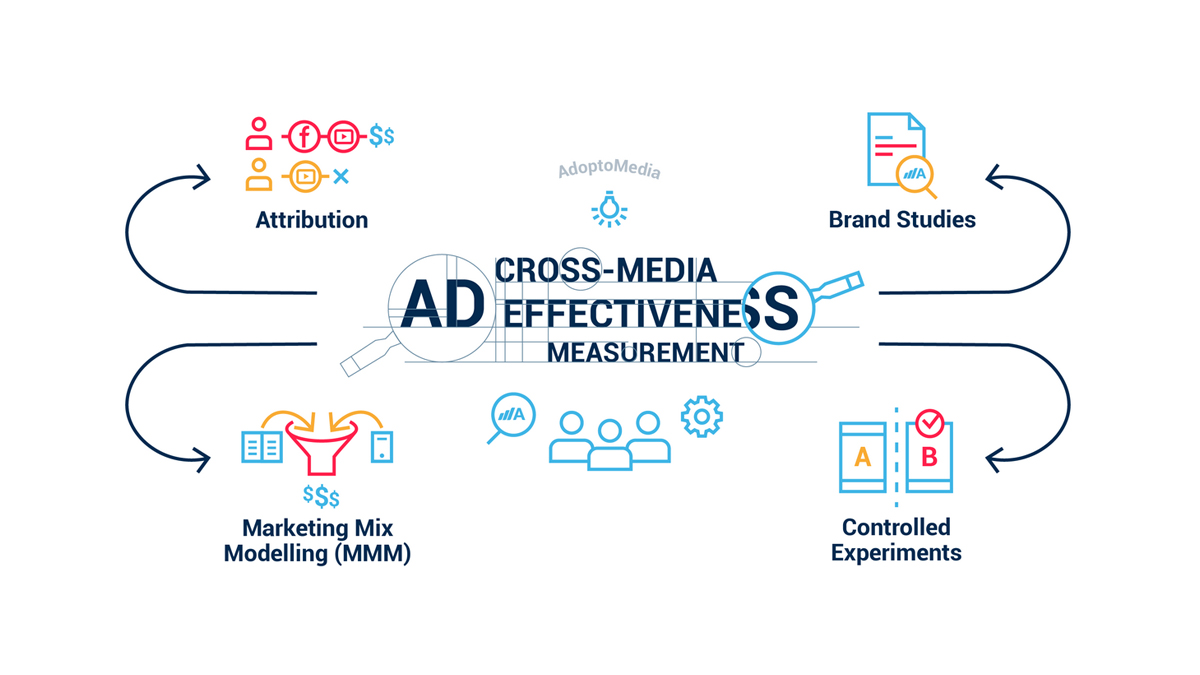
MUMBAI: India’s TV ratings system is finally catching up to the screen-hopping viewer because when audiences juggle remotes like cricket balls, measurement can’t stay stuck in the living room. The Broadcast Audience Research Council (BARC) has quietly begun a pilot project for cross-media measurement, marking its first structured attempt to track audiences seamlessly across linear TV, Connected TV (CTV), and mobile platforms. Multiple BARC board members confirmed the development on 20 February 2026, describing the initiative currently running with JioStar as a foundational step toward a unified industry currency.
The pilot arrives amid sharp criticism from the Ministry of Information & Broadcasting (MIB), which in 2025 directed BARC to integrate CTV data into its system. MIB highlighted glaring gaps: India has roughly 230 million television households, yet BARC relies on only about 58,000 people meters, a sample representing just 0.025 per cent of total homes. The ministry also flagged BARC’s lack of tracking for smart TVs, streaming devices, and mobile apps, undermining the reliability of TRPs in a diverse, multi-screen country.
The initiative builds on JioStar’s December 2025 Cross-Screen Measurement Study with Nielsen during TATA IPL 2025, which analysed five major brands across impulse and high-consideration categories. That study demonstrated how audiences engage with live sports across linear TV, CTV, and mobile underscoring the need for total reach and incremental impact metrics.

Advertisers have welcomed BARC’s proactive move. A senior member of the Indian Society of Advertisers (anonymous) called it the right move at the right time. Consumers are fluid across screens, and measurement must reflect that reality. A credible cross-media framework will help us optimise budgets scientifically, reduce waste, and drive higher ROI.
Another brand leader added, that the move will allow marketers to identify incremental reach across platforms rather than overexposing the same audience. That improves campaign effectiveness and ensures every rupee works harder.
A broadcaster executive praised the pilot-led approach saying BARC deserves credit for stepping forward and testing this in a structured way. Reform of this scale requires collaboration, experimentation and patience.
If the pilot proves robust and expands beyond JioStar, India could move toward a single, cross-platform measurement standard potentially reshaping how billions in advertising rupees are planned and spent. In a media world where viewers rarely stay on one screen, BARC’s experiment might just be the first step toward making ratings as multi-talented as the audience they try to count.




iWorld
T20 World Cup ’26: India–England semi-final sets global streaming record of 619 million views on JioHotstar
India–England semi-final records 65.2 million peak streams
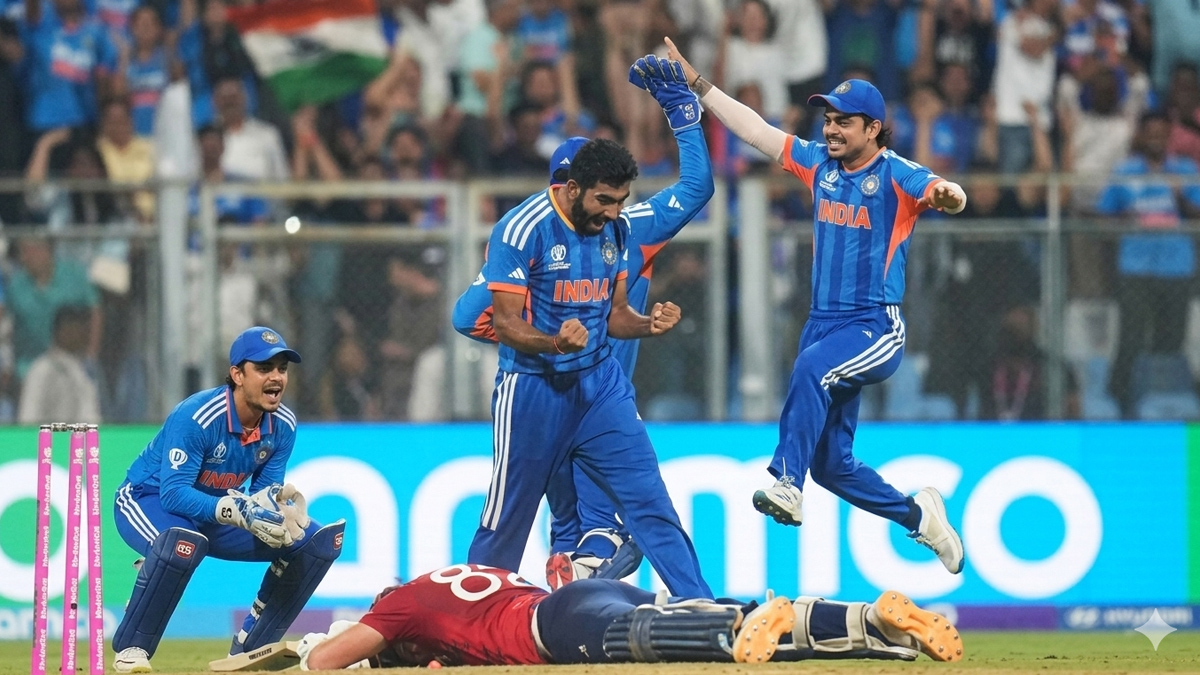
MUMBAI: The ICC Men’s T20 World Cup 2026 set a new milestone in global sports streaming, as the India–England semi-final drew record digital audiences on JioHotstar.
The match on 5 March registered 65.2 million peak concurrent viewers, the highest ever recorded for a live event on any streaming platform worldwide. The semi-final also generated 619 million views, making it the most streamed T20 international match in history.
The landmark audience numbers were driven largely by viewers in India, setting a record achieved within a single market, rather than through aggregated viewership across multiple countries.
The high-scoring encounter between India national cricket team and England cricket team produced 499 runs across both innings, fuelling widespread fan engagement across platforms.
According to the International Cricket Council, the digital record surpassed the previous global benchmark of 65 million concurrent viewers, set in November 2024 by another international streaming platform.
Across television and digital platforms combined, the semi-final reached more than 320 million viewers, while total watch time exceeded 23 billion minutes, making it the most watched T20 international match ever.
“This World Cup demonstrates the immense passion of cricket fans and the progress made in bringing the game closer to audiences worldwide,” said ICC chairman Jay Shah.
“This moment reflects the scale of cricket fandom in India and the technological capability required to serve hundreds of millions of viewers simultaneously.”
JioStar vice-chairman Uday Shankar, said the audience surge underscored the future of large-scale digital entertainment.
“One in every three Indians tuned in to watch the second semi-final. Delivering such an experience at scale requires the very best of technology,” he said.
The 619 million views during the match also eclipsed the 533 million views recorded during the final of the ICC Men’s T20 World Cup 2024.
With the final yet to be played, the 2026 tournament has already set multiple benchmarks in audience reach and digital engagement.
India will face the New Zealand national cricket team in the final on 8 March at the Narendra Modi Stadium in Ahmedabad. The match will be broadcast on the Star Sports Network and streamed on JioHotstar.