
Awards
“My characters are never overdressed. I like to bring out their qualities very subtly”


|
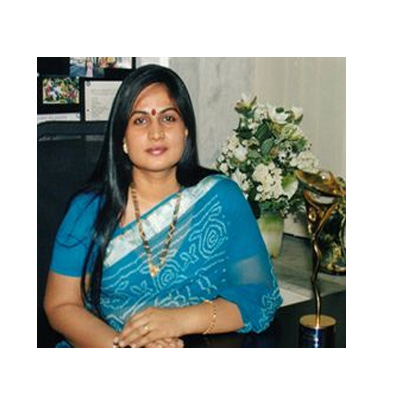
She bagged the best costume designer's award for Des Mein Niklla Hoga Chand at the second Indian Telly Awards last year. One year down the line, this shy designer is hopeful, confident but not arrogant. "I'm thrilled. I'm hoping that I get the award this time too," she says. Surprisingly, Ritu Deora began her career as a costume designer only at the age of 27, with some help from her husband R K Deora, general manager at the garment division Of Siyaram Silk Mills. This Bachelor of Arts student from Jodhpur says she never got any formal training in costume designing. But she had an eye for colours, hues, shades and patterns. And within a span of six years –from 1995 when she started her Ritu's Design Studio (RDS) to last year when she won the award — Deora has proved her mettle. She says she makes it a point to get a complete briefing of the serials from the production units to understand the characters and situations before designing their outfits. She says, "For Des Mein Niklla Hoga Chand, we had to do an in-depth study of the characters, which translated into the costumes." Deora says her growing demand in the industry today is partly thanks to the award, and partly because of RDS' dedication. The company provides costumes for the entire star cast rather than supplying it only for the lead pairs. "We have become a 'one point shop' for all TV costume requirements," she explains in an interview with indiantelevision.com's Nitya Kaushik. Excerpts: |
|||
|
Did you expect the Indian Telly Award last year? What was your reaction on receiving it? |
|||
|
Do you think you deserved an award for the costumes of Des Mein Niklla Hoga Chand? Which serial would you have awarded yourself for? However, the credit for dressing Pammi goes as much to Ghosh as to me. She is not just cooperative, she is proactive. She makes suggestions on her clothes, accessories, bindis etc, never fusses, always takes a good tip. That's part of the reason why Pammi turned out so perfect. The other costumes I've enjoyed designing for include those of Kehta Hai Dil and Kumkum. |
|||
|
|||
|
You have also done costumes for some films. How is that different from working for TV serials? Designing for films is much simpler than for TV. First of all, the quantity of outfits needed for one film is as much as the quantity need for two weeks' episodes in a soap. Also, films can do with very plain costumes, because in most cases they are juxtaposed against scenic backdrops for effect. On the other hand, a TV serial relies only on frontal views in most cases. So whatever gloss or effect we want to create has to be on the front. Thirdly, any new trend portrayed in a film is wasted because the style becomes old by the time the film releases. As for a TV serial, there is immediate gratification. You depict a certain look and it's out within a week. Finally, a designer does not need to spend too much time on a film. We only have to design a set of clothes for them and then forget about the shoot. But a TV serial is interactive. We need to regularly discuss with the characters about their roles, the finer changes in personality and keep revising. |
|||
|
Considering that films are easier and more paying, do you intend to shift your focus to films, in the near future? |
|||
|
You are designing costumes for a Hollywood flick too… |
|||
|
How has costume designing in television evolved in India? However, now TV producers have realized that the personality of a show depends much on the look of the characters. Costume designing is not a secondary activity any more. |
|||
|
What kind of budget is allocated for costumes in a serial? |
|||
|
Is the look given to a character your prerogative or does the director/producer decide on that? |
|||
|
But don't you think actors are overdressed in most serials? My characters are never overdressed. I like to bring out their qualities very subtly. |
|||
|
Who do you think is your immediate competition? How do you rate them? |
|||
|
|||
|
What according to you are your advantages? We deliver even if the order is placed at one am in the morning. The result is obvious. Today production houses take Ritu Deora as an example while discussing costumes. |
|||
|
Is there a dearth of costume designing schools in India? Even the regular costume designing schools don't teach practical designing. It's all just theories and sketches. |
|||
|
What have you planned for the future? Today there are small cloth stores, branded clothes and big-time designers. But there is no one catering to the upper middle class — or that section of people who can't afford designer labels but don't buy from an ordinary cloth store either. I want to cater to that section. I will sell designer wear at a reasonable price. |
|||







